

From the Ground Up: Discovering Canada’s Past Through Archaeology
Across Canada, archaeology is helping uncover powerful stories of the people, places, and events that shaped our history. From early English settlements in Newfoundland to immigrant communities on the Prairies and shipwrecks resting deep beneath the Great Lakes, these sites offer rare glimpses into the past. Ongoing excavations continue to reveal artifacts, structures, and lived experiences that deepen our understanding of Canada’s diverse heritage. Discover how these remarkable historic sites bring history to life for visitors today.
Cupids Cove Plantation, Cupids
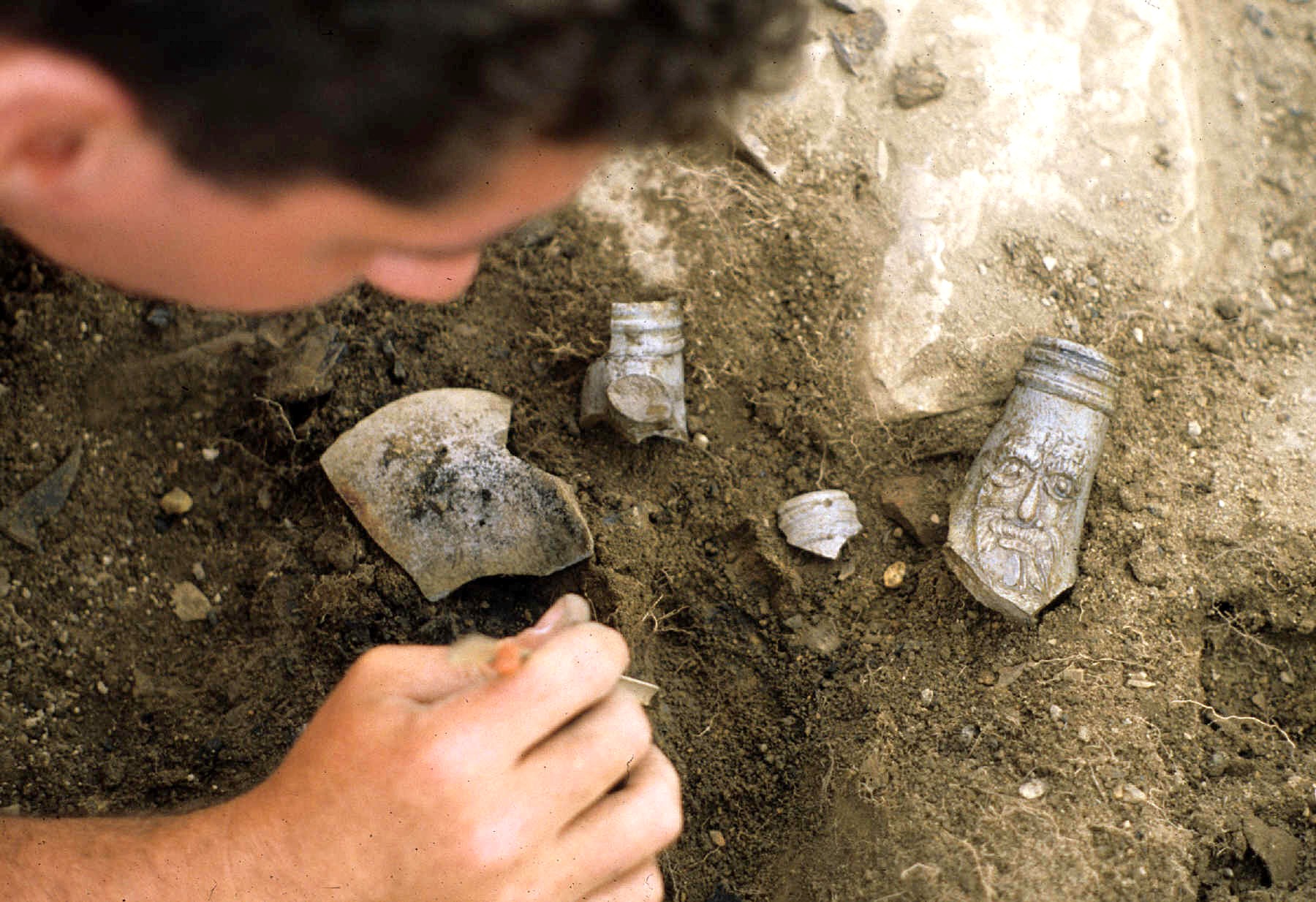
In August 1610, Bristolian merchant John Guy, alongside 38 settlers, arrived in Cupids Cove (then known as Cuper’s Cove) in Conception Bay to establish the first English settlement in what would become Canada. They were tasked with fortifying the settlement, experimenting with farming, making salt and potash, collecting ore samples and, most importantly, fishing and trading.
Though it had been long known that the colony was in Cupids, the exact location of the site was not discovered until 1995. Since its discovery, archaeologists have uncovered four early 17th-century buildings and more that 135,000 artifacts, including one of the oldest English coins to be found in North America.
Visitors are invited to learn about the history of the site through guided tours led by archaeologists or by visiting the nearby Cupids Legacy Centre, which houses many of the artifacts discovered.
Visit their website to learn more.
Cupids Cove was featured in a recent article from the National Trust for Canada! You can learn more and read the feature here.
Doukhobor Dugout House, Blaine Lake, SK
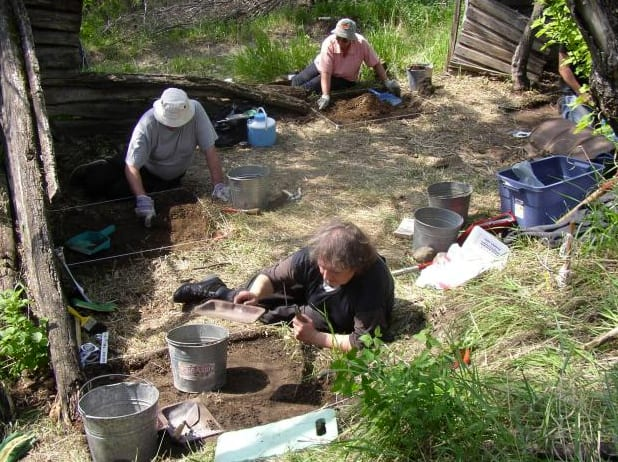
Dig at Doukhobor Dugout House | Meagan Brooks
The Doukhobors are a religious sect that emerged in Russia in the 17th century. Known for their strong pacifism, in 1899 some 8,000 Doukhobors left Russia for Canada in response to the repression and exile they faced in their homeland. Approximately 300 Doukhobors lived in dugout houses in the region for five years before moving to the nearby village of Oospenie. The dugout house at Blaine Lake is the only known surviving example of this kind of temporary shelter in Canada.
In 2004, archaeologists from the University of Saskatchewan conducted excavations at the Doukhobor Dugout House, discovering artifacts like an oven door, shards of dishes and pottery and an old shoe – all of which contain memories of life in the dugout house.
Visit their website to learn more.
Aux Trois Couvents, Château-Richer, QC
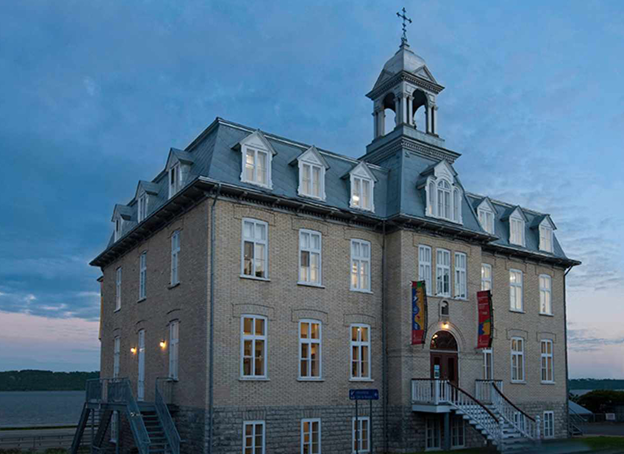
Aux Trois Couvents, a museum that shares the history of the Beaupré Coast region of Quebec, is located on the site of a former convent and seigneury – a system of land tenure based on feudalism. From the beginnings of the colony in the 18th century, it welcomed 170 families of French origin, making it an important site in the origins of French North America.
The current building, a former convent built in 1907, is the third to be constructed on the site. Archaeological excavations have revealed the foundations and remains of the first two convents (built in 1694 and 1830), as well as a windmill and what remains of Samuel de Champlain’s first dwelling outside the walls of Quebec. The museum features exhibits about the excavations, with the opportunity to view the convent foundations, as well as other exhibits about the colony and early French settlement in North America.
Visit their website to learn more.
Colony of Avalon, Ferryland, NL
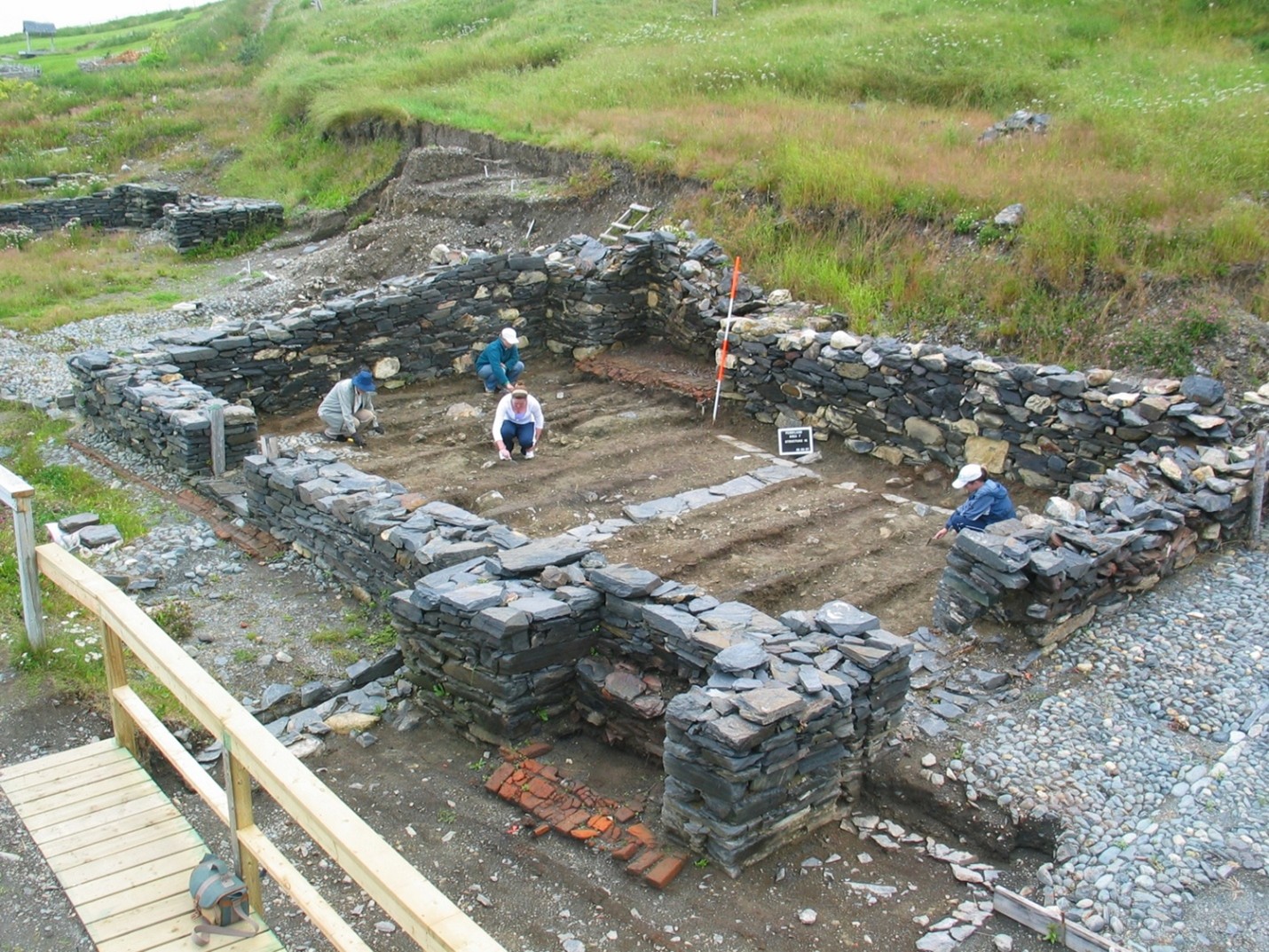
Archeological dig of the Mansion House | Colony of Avalon
In 1621, colonists set sail for Sir George Calvert’s land in Newfoundland, settling in Ferryland and establishing the Colony of Avalon. Though the exact location of the settlement was not known for many decades, local residents had long been aware of its remnants through artifacts and features found in the area, and this community knowledge played an important role in helping to locate the site. Major excavations began at the site in 1992, though a number of smaller excavations had taken place throughout the 20th century.
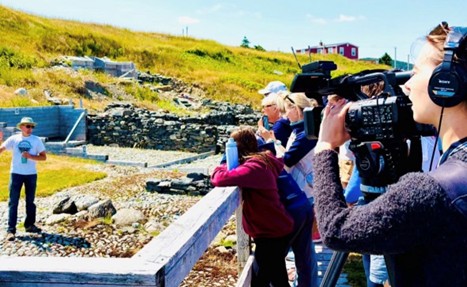
Dr. Barry Gaulton giving a tour for Colony of Avalon | Colony of Avalon
Excavations at the Colony of Avalon are ongoing under the direction of Dr. Barry Gaulton of Memorial University. Original structures like the forge, Mansion House and brewery have been uncovered, in addition to infrastructure like seawalls and wells. The site is rich, with approximately 3,000 artifacts uncovered every week during the dig season, and the site has produced one of the best collections of 17th-century material culture in North America. To date, only 35% of the original four-acre site has been excavated, which means there is much more to learn and discover about life in the colony.
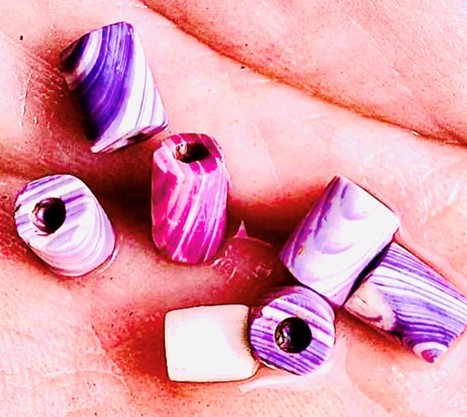
Wampum beads found at the Colony of Avalon. | Colony of Avalon
A once-in-a-lifetime discovery has made headlines at Avalon. Archaeologists recently uncovered wampum beads, tiny hand-crafted shell beads made by Indigenous peoples, in a 17th-century refuse deposit inside the old buttery. The find was made by Memorial University grad student Calum Brydon, and as far as is known, these are the only wampum beads ever found in Newfoundland and Labrador. Traditionally, wampum was used for diplomacy and trade, and later adopted by Europeans as a form of currency. These small beads offer a powerful reminder of how globally connected the Colony of Avalon was, even in the early 17th century.
Adding to the site’s prestige, Tripadvisor has recognized the Colony of Avalon as one of the Top 10% of Places to Visit in the World, placing it alongside iconic landmarks like the Eiffel Tower, the Louvre, and the Empire State Building.
Visitors can experience the Colony of Avalon with a guided tour or even try their hand at archaeology with their dig programs.
Visit their website to learn more.
Hamilton and Scourge National Historic Site, Hamilton, ON
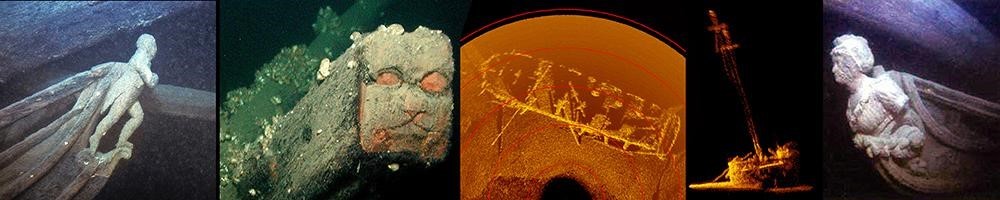
Located in the depths of Lake Ontario are the two War of 1812 shipwrecks of Hamilton and Scourge, initially named Diana and Lord Nelson respectively. Originally designed to be merchant vessels, they were repurposed into American warships once the war began, and each played a role in the capture of Fort George in May 1813. They sank in a sudden squall one August morning in 1813. Of the 70 crew members aboard both vessels, 50 were lost, making the sinking the greatest single loss of life on the Great Lakes throughout the entire war.
The ships were rediscovered at a depth of 90 meters below the surface in 1973 and are the only complete 1812 warships in the world. Using methods like sonar technology, underwater archaeologists have investigated the wrecks with the goal of learning more about them.
Exhibits of the shipwrecks can be found at the Hamilton Military Museum, located on the grounds of Dundurn Castle. Visitors can get up close and personal with the wrecks via digital video, exhibits and photographs of the wrecks.
Visit their website to learn more.
The above historic sites are part of the Trust’s Passport Places program, a National Trust membership benefit that provides free access to over 110 historic places in Canada, as well as 1000+ National Trust places abroad. Become a member today!