


Supporting the Next Generation of Heritage Leaders: Lessons from National Trust Conference 2025 (with CAHP & IHC)
Scanning lunch line-ups and meeting rooms, the demographic shift was plain to see. The next generation of heritage professionals, workers, and advocates were out in force at the National Trust Conference 2025 (with CAHP & IHC) held in Halifax, October 23-25.
Bringing new energy and fresh insights to the table for the over 500 conference attendees at the annual networking and learning event, at least 45 of the 150 conference presenters (or 30%) fell in the “youth” and “emerging” categories. This included 6 student conference rapporteurs from Willowbank School for Restoration Arts, at the podium for the Closing Plenary. These impressive numbers don’t include the large number of conference attendees in the elastic and hard to define “emerging” category.

Fresh outlooks at the Heritage Trust of Nova Scotia booth | @StooMetzPhotos
There were upwards of 20 students in attendance, along with 18 student and youth volunteers (many from Dalhousie and St. Mary’s University) helping throughout the conference, from staffing the registration desk, to timekeeping sessions, and providing logistical support for tours. A young staff member from the National Trust (England, Wales and Northern Ireland) even made the journey overseas to connect with Canada’s heritage community and foster stronger international relationships for the next generation.
The Thursday evening Cultural Showcase featured a range of young performers from Nova Scotia’s Indigenous, Black, and Scottish communities—an impressive tribute to the province’s rich cultural landscape, highlighted by the remarkable talent of its young artists.

Alexandra Pennell, Operations Manager for the Indigenous Heritage Circle opened the Cultural Showcase | @StooMetzPhotos

Damini Awoyiga, Halifax Youth Poet Laureate, 2023-2024, delivered a moving spoken word performance at the Cultural Showcase | @StooMetzPhotos
The strong presence of students and emerging professionals was a thrilling signal of the surging vibrancy of Canada’s heritage sector. But concerns were also raised at the conference about how to sustain and build upon this momentum. Several meetings, sessions, and presentations explored the challenge of how to best attract, support, and elevate heritage students and emerging workers in the field. Some strong themes emerged.
Heritage Education and Workforce Capacity Under Threat
Given the growing interest in heritage in Canada – from protecting historic landscapes and communities to caring for collections and learning best practices – and the increasing recognition of the connection between stewarding existing buildings and climate change mitigation, it may be surprising to learn that in many parts of the country and across all types of programs, heritage education is in a crisis.
At many post-secondary institutions enrollments are down, budgets are being cut, and many heritage programs are either on pause, or much reduced. The rapid erosion of these key incubator spaces for the next generation puts the future of the heritage workforce, and sectoral capacity in general, in great danger.
Facing this growing crisis, the National Roundtable on Heritage Education’s annual conference meeting brought together instructors, students, and heritage industry members to explore key questions: “Are there opportunities to rethink where and how heritage is taught, and/or to redefine what it can offer as an essential part of education in general?”
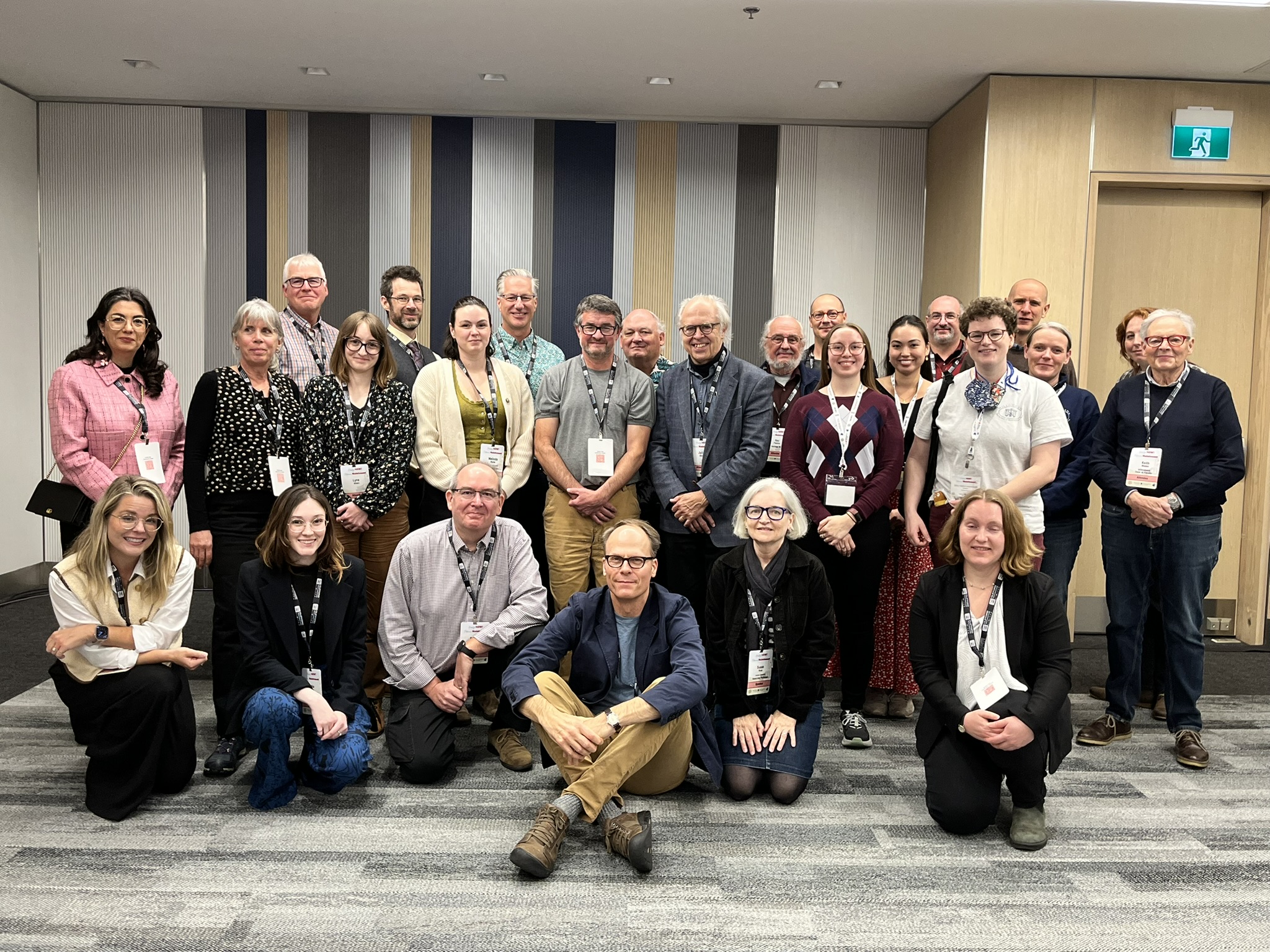
Participants at the National Roundtable on Heritage Education Annual Meeting 2025 | National Trust for Canada
A productive discussion ensued, including debate over a Declaration on Heritage Conservation Education & Training in Canada. This document outlines key steps government and professional organizations need to take, such as the Royal Architectural Institute of Canada (RAIC) and Engineering Institute of Canada (EIC) establishing minimum requirements for heritage conservation and adaptive reuse knowledge for new engineers and continuing education programs. The declaration is slated to be released soon.
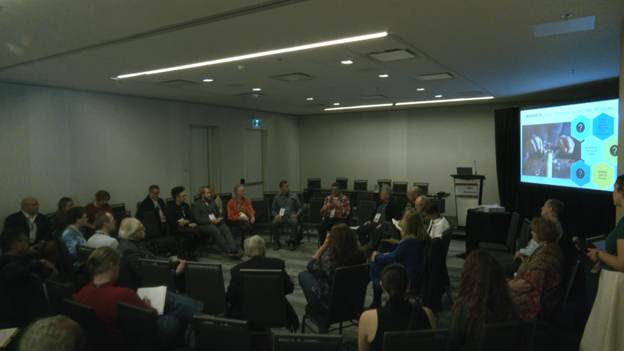
CAHP Workshop | National Trust for Canada
Insights from Inspiring Programs Fostering the Next Generation
In 2018, Capital Heritage Connexion (CHC), Ottawa’s heritage organization network, launched the Capital Heritage Mentorship Program (CHMP) with the aim to strengthen the future of the heritage sector by addressing gaps in practical learning, professional guidance, and representation within the field. The CHMP connects emerging heritage professionals with experienced senior managers in Ottawa’s culture and heritage sector to support knowledge exchange, career growth, and sector-wide resilience.
With the support of the National Trust for Canada, a team of CHMP mentees participated in the National Trust conference where they connected with heritage leaders from across the country, expanded their knowledge, and built the confidence to see themselves as part of a larger national heritage conversation. CHC leadership provided a conference presentation unpacking the success of the program and setting off a lively debate on how similar programs could be seeded across Canada.
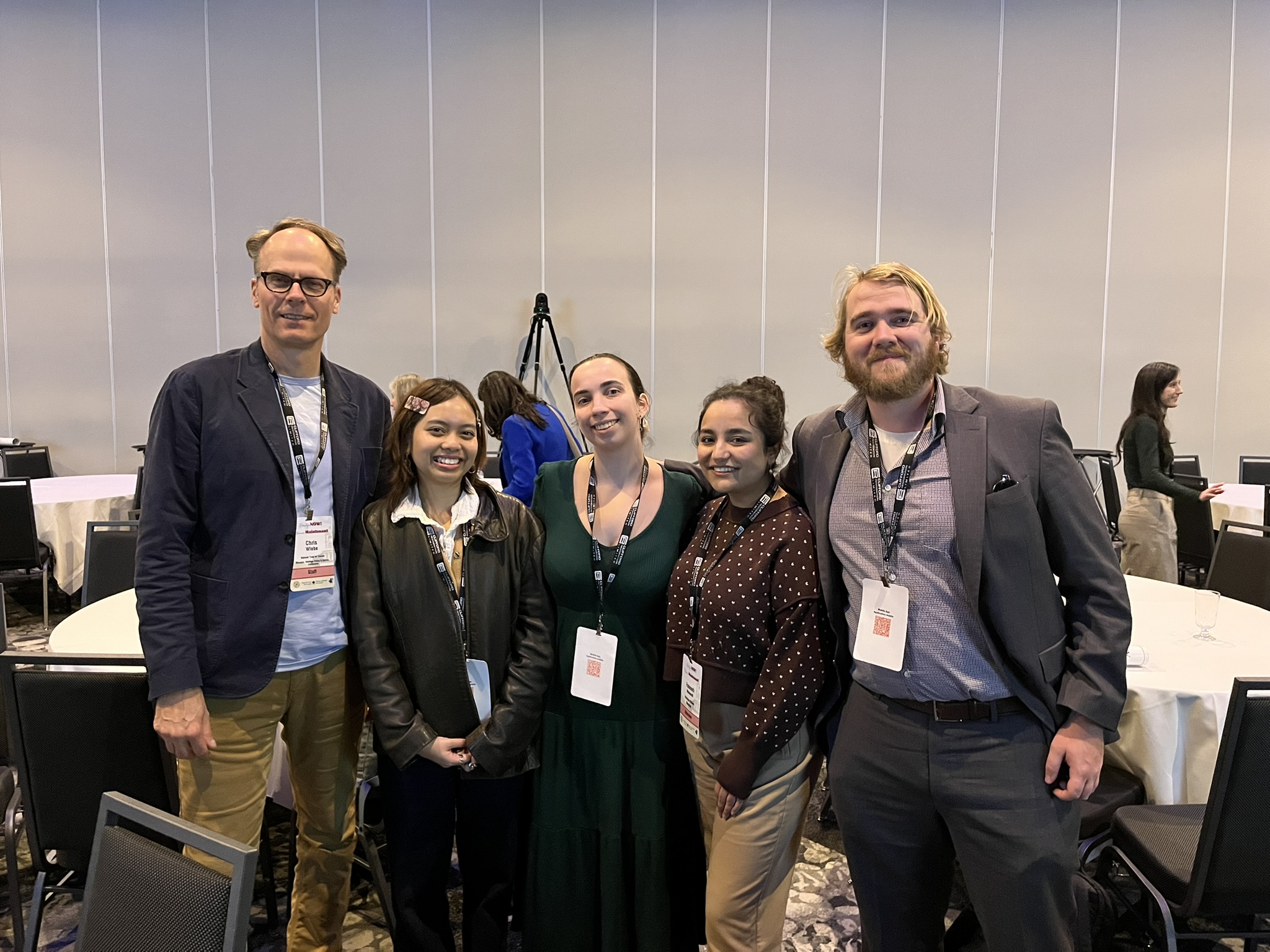
L-R. Chris Wiebe (National Trust), Kate Gonsalves, Shana Quesnel, and Fatemeh Makvandi (CHC Mentees), and Christopher Chase Onions (CHC) at Halifax 2025 | National Trust for Canada
At the National Trust Governors’ Awards, Parks Canada was recognized alongside Holland College (PEI), Algonquin College (ON), and Willowbank School of Restoration Arts (ON) for their recent efforts to provide heritage carpentry students with opportunities for hands-on learning at the Fortress of Louisbourg National Historic Site in Cape Breton, Nova Scotia.
Since 2019, Parks Canada has been working with colleges across the country to provide students in heritage skills programs with practical, hands-on experience through restoration projects at National Historic Sites. Between 2019 and 2022, students from Holland College’s Heritage Retrofit Carpentry Program restored the original windows at Province House in Prince Edward Island. This past year, the initiative expanded to the Fortress of Louisbourg when Parks signed a multi-year agreement with the colleges to allow students from all three educational institutions the opportunity to collaborate on the restoration of its 18th-century shutters. Leaders from all three colleges as well as six students from Willowbank School were present on the Friday evening at the National Trust’s Governors’ Awards, where they were honoured for their participation in the project and celebrated for their efforts to bolster heritage trades training.
Building a Network for the Next Generation of Heritage Leaders
Investing in the future of Canada’s heritage sector begins with understanding the needs of those who will shape it next. As was abundantly clear throughout the conference, as young and emerging professionals, students, and volunteers came together to share their experiences in the sector, one of the most significant of these needs is the ability to stay connected — to have access to a community of peers and networks that offer mutual support, shared resources, and guidance in navigating entry into the field.

The Emerging Professionals Mixer, which took place the first evening of the conference, offered younger and first-time conference attendees a chance to get to know each other | Katie Miller
Several organizations have already taken steps to build these kinds of networks in Canada. The Architectural Conservancy of Ontario’s is one example, with their ACO NextGen network that works to promote community for those with a mutual interest in the preservation of historic architecture. The Canadian Association of Heritage Professionals (CAHP) also offers opportunities for emerging professionals to connect through its student and intern memberships. Even ICOMOS Canada has worked over the years to engage youth through its programs. These initiatives represent strong foundations to build upon; however, many of the young people we spoke with at the conference expressed that broader opportunities to connect with peers across the heritage field — whether students, early-career professionals, or volunteers — would be especially valuable.
To gain insight, the Trust hosted a discussion that brought these young heritage stakeholders together to reflect on what a network could look like. The lunchtime session sparked a dynamic conversation about the challenges facing young people in heritage — including barriers to entering the sector, the urgent need for mentorship for emerging professionals and trades workers, and the desire for stronger cross-sectoral, peer-to-peer connections.
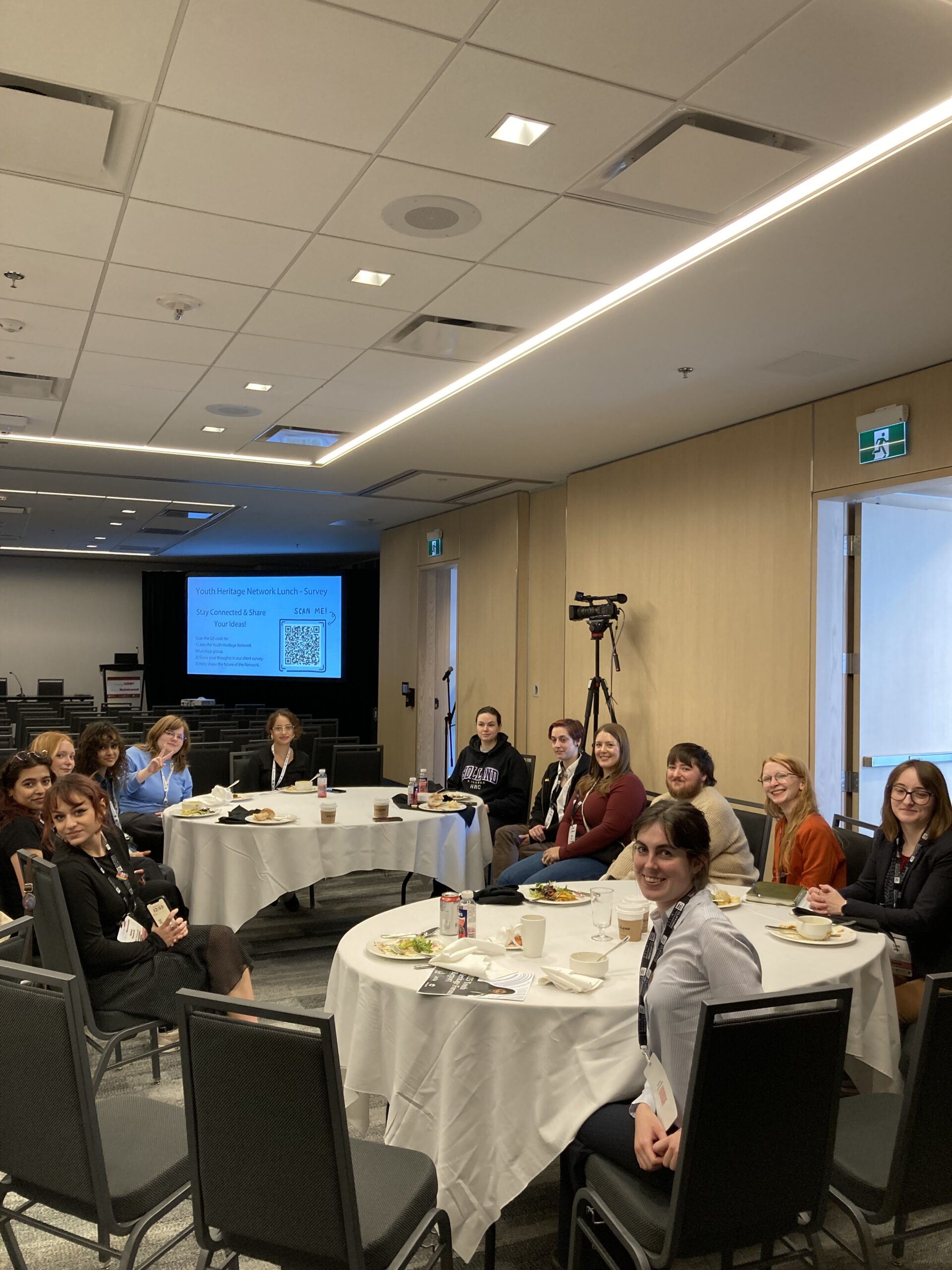
Next-generation heritage leaders gather to discuss the potential for a future network | Katie Miller
Participants spoke candidly and were hopeful about what a network could offer. Many saw the value in a centralized platform that not only shares opportunities but also raises awareness of the diverse career paths within heritage—from conservation trades to digital interpretation and community outreach. Above all, they expressed a desire for more opportunities for in-person connection — regional meetings with peers, mentors, and organizations that can open doors to learning, volunteering, and employment.
“We may still be feeling our way through the fog,” one participant shared, “but at least we wouldn’t feel as alone in it.” Overcoming feelings of intimidation or “imposter syndrome” when surrounded by seasoned professionals is another barrier that many next gens face when entering the sector. A network of emerging leaders could provide the confidence, encouragement, and sense of belonging needed to help them find their footing.
This conversation was only the beginning of a broader effort by the National Trust to listen, gather data, and explore new ways to connect and support the next generation of heritage leaders with the goal of developing a network that will empower the next generation to take their place in preserving—and reimagining—Canada’s heritage landscape.
If you or someone you know is interested in joining the conversation to create a next generation network, please contact us at nationaltrust@nationaltrustcanada.ca