




Sun, Salt, and Shorelines: Discovering the Spirit of Summer at Canada’s Passport Places
What does the heartbeat of a Canadian summer truly feel like? As the sun warms the coastlines and inland waters, our country opens up to a season of exploration, storytelling, and deep connection to the water. From the rugged cliffs of Newfoundland to the bustling boardwalks of British Columbia, our heritage isn’t just preserved inside stone walls; it lives in the sea breeze, the waves, and the sun-drenched docks that have welcomed travellers for generations.
These Passport Places help share the stories of how deeply rooted Canada is in its maritime and lakeside traditions. They capture the enduring spirit of communities shaped by the water, inviting us to step into the past while soaking in the warmth of a perfect summer day.
Cape Bonavista Lighthouse | site
Bonavista, Newfoundland and Labrador
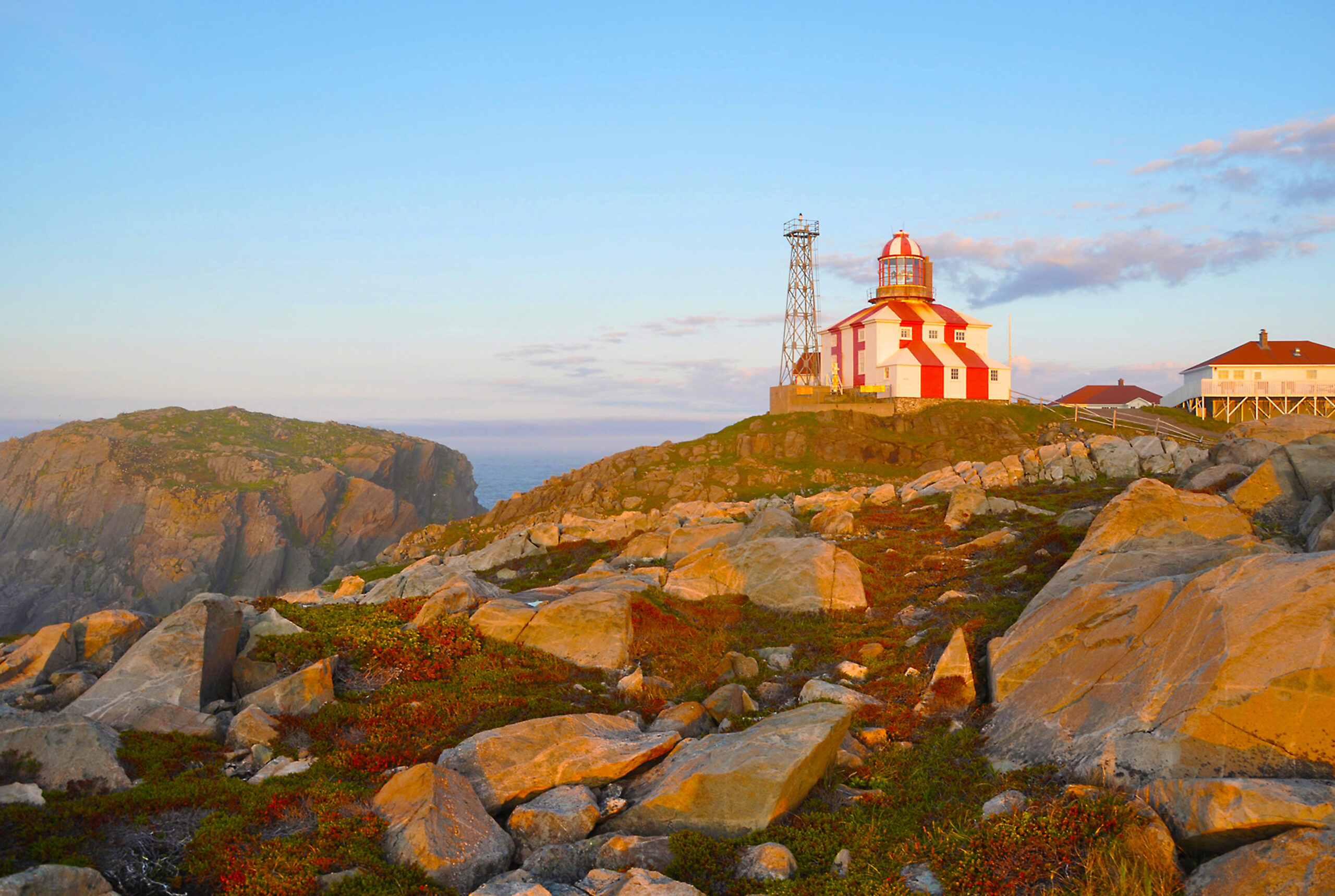
Photo credit: Cape Bonavista Lighthouse
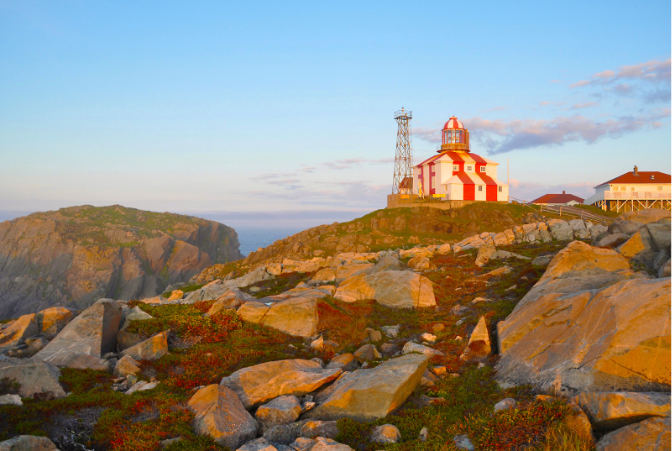
Perched dramatically at the tip of the Bonavista Peninsula, this iconic red and white striped lighthouse has been guiding mariners through the dark and rugged sea since 1843. Today, this lighthouse serves as one of the most photographed places in Newfoundland and Labrador.
Summer is the ultimate season to stand on these cliffs. Under the clear sun, visitors can climb the stone tower to see the fully restored 1870s catoptric light system, while scanning the blue Atlantic for humpback whales, puffins, and icebergs drifting. It is a powerful reminder of the isolation faced by early light keepers, packaged in the breathtaking beauty of a classic East Coast summer road trip.
Visit their website to learn more.
Basin Head Fisheries Museum | site
Souris, Prince Edward Island
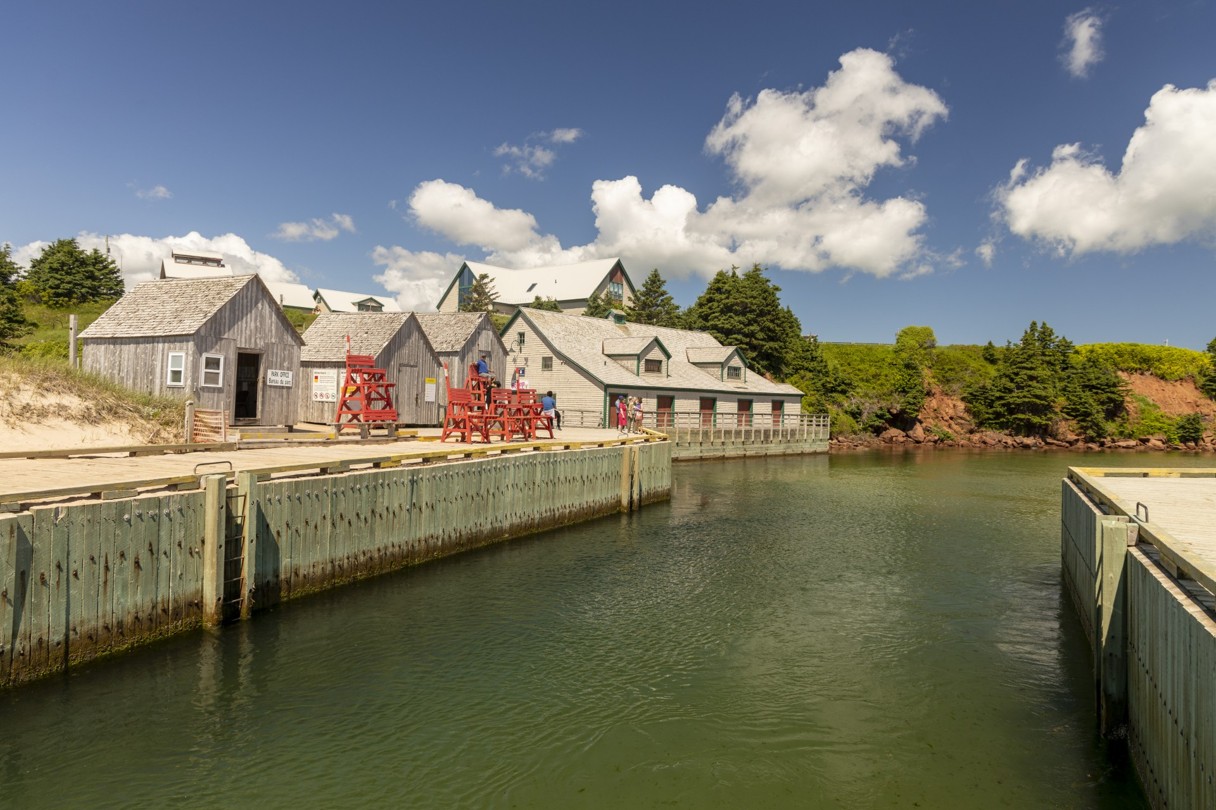
Photo credit: Basin Head Fisheries Museum
Situated on a bluff overlooking the Northumberland Strait, the Basin Head Fisheries Museum captures the essence of a traditional Prince Edward Island summer. The museum features the triumphs and hardships of the Island’s inshore fishing industry, preserving the stories of the families who relied on these warm coastal waters for their livelihood.
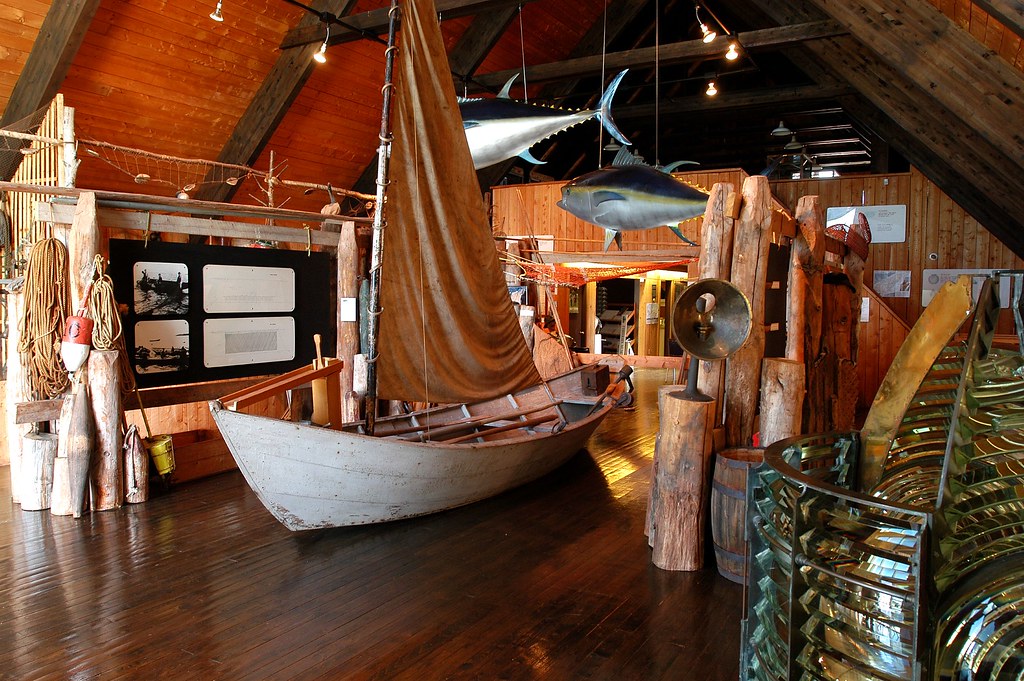
Photo credit: Basin Head Fisheries Museum
The museum sits directly adjacent to Basin Head Provincial Park, home to Canada’s famous “Singing Sands” beach. Take advantage of the immersive Marine Protected Area Tour where you’ll learn all about the giant Irish moss and current efforts to protect it, make ice cream in the cannery, pull a Green Crab trap to learn about the invasive species, and more! When you’re done, dive into the warmest ocean waters on the East coast of Canada. Visit their website to learn more.
Dory Shop Museum | site
Shelburne, Nova Scotia
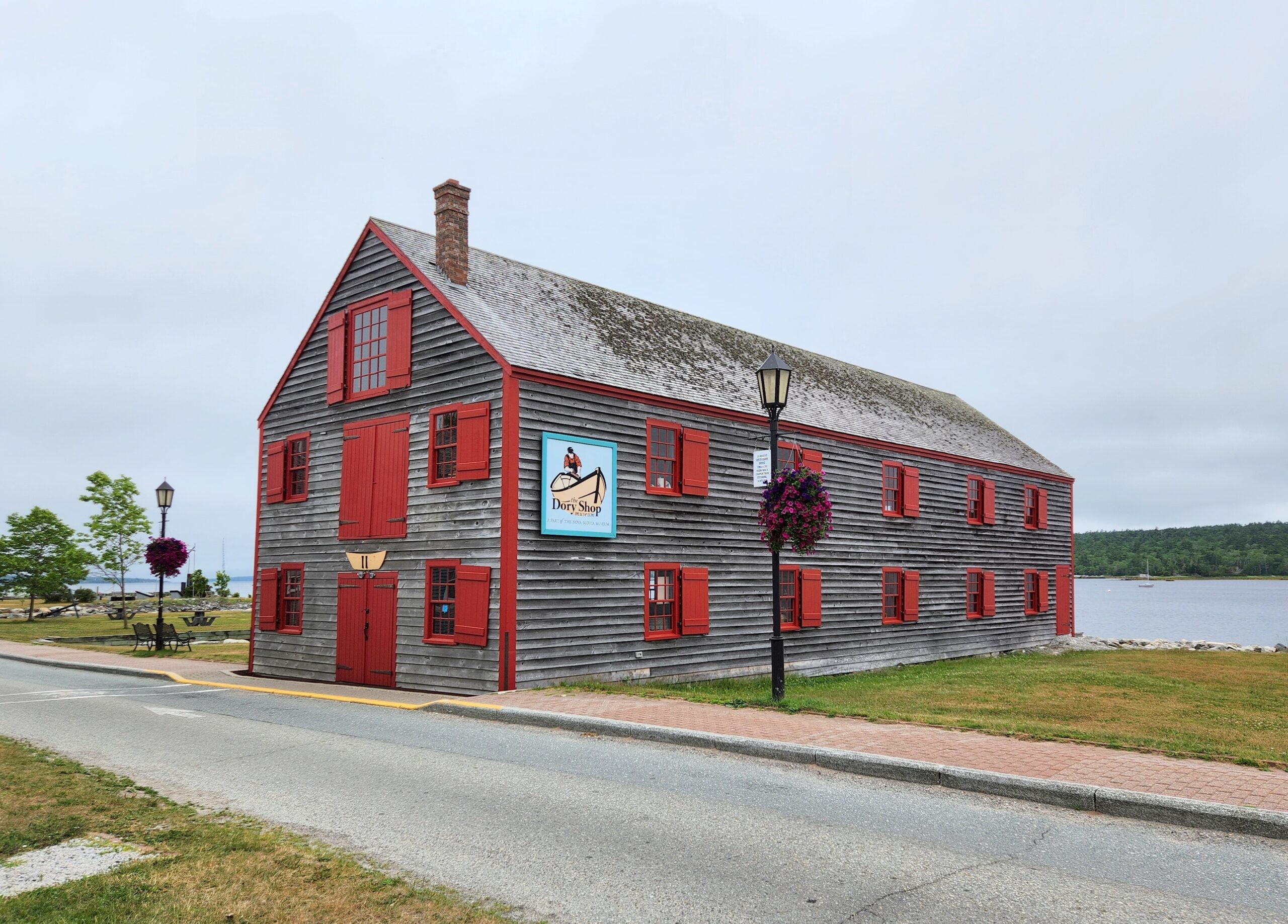
Photo credit: Dory Shop Museum
Sitting on the historic waterfront of Shelburne, this weathered building was originally a warehouse for a local fish-outfitting firm. In 1880, it was converted into a dory shop – the birthplace of thousands of traditional wooden dories; the iconic “workhorses of the sea” used by Grand Banks fishermen. This became one of the most popular small craft places across the Atlantic provinces for nearly a century.
When summer comes, the museum truly springs to life as a fully operational, living-history workshop. Visitors can learn the history of the Shelburne dory, watch the master dory builder use the exact same methods passed down through generations, and perhaps get a chance to row a dory.
Visit their website to learn more.
Gulf of Georgia Cannery | site
Richmond, British Columbia
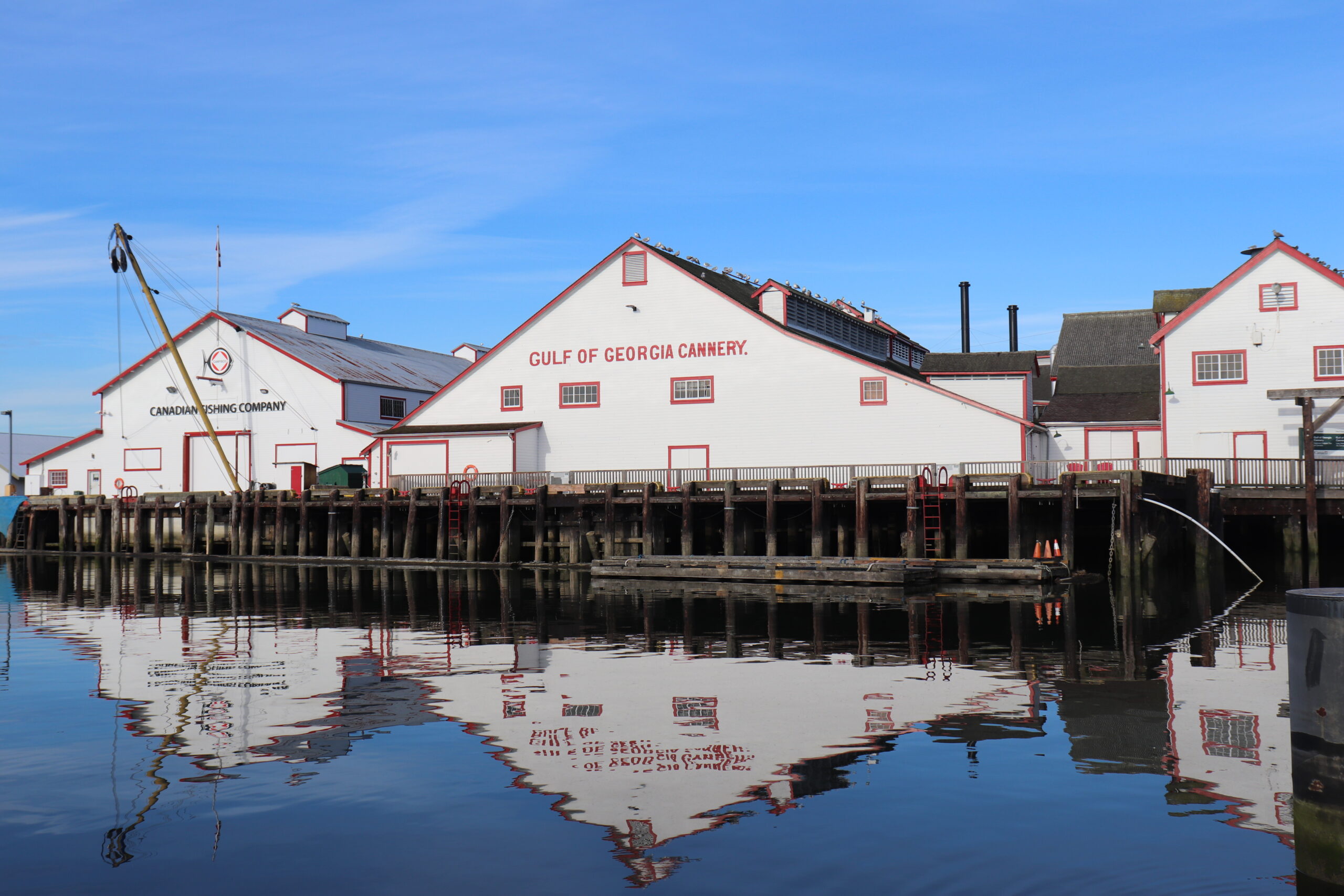
Photo credit: Gulf of Georgia Cannery
Built in 1894 within the picturesque village of Steveston, the Gulf of Georgia Cannery was once the largest building of its kind in British Columbia, affectionately known as the “Monster Cannery.” It once served as the leading producer of canned salmon in BC and is the last of the more than 15 canneries that were present across the Steveston waterfront. The Gulf of Georgia Cannery stands as a powerful monument to the West Coast’s incredibly rich salmon fishing history, echoing with the multicultural stories of the Indigenous, Japanese, Chinese, and European workers who powered the lines.
Summer brings a vibrant energy to this massive boardwalk site. Visitors stepping inside out of the hot sun are greeted by the impressive and well-preserved machinery from its industrial era, and can take part in interactive exhibits, films and guided tours. Delivering the sights and sounds of a modern working harbour, it bridges the gap between historical industry and contemporary Pacific summer life.
Visit their website to learn more.
Point Amour Lighthouse | site
L’Anse-au-Loup, Newfoundland and Labrador
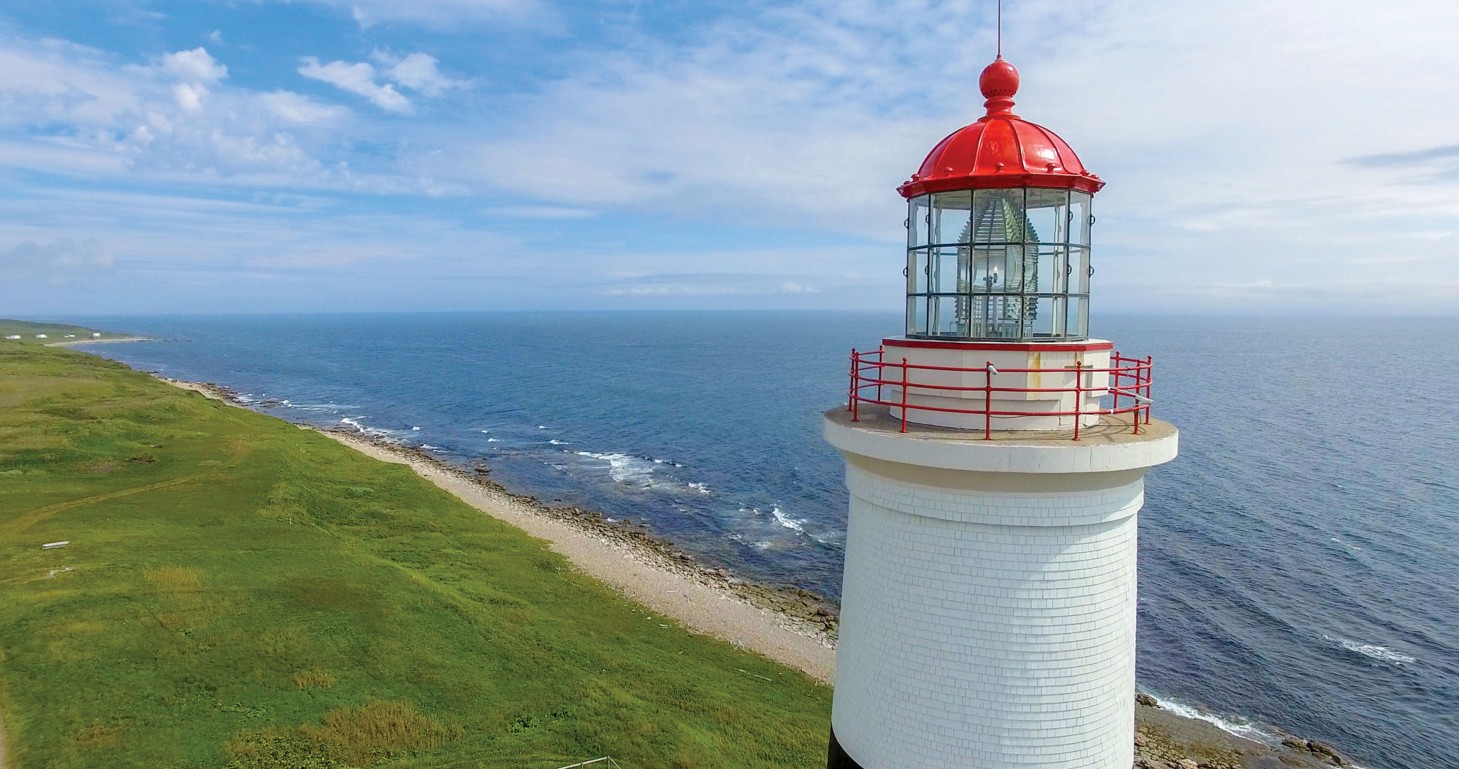
Photo credit: Point Amour Lighthouse
Guarding the Strait of Belle Isle on the south coast of Labrador, Point Amour is a monument to maritime survival for almost 150 years. Standing at 109 feet, it is the tallest lighthouse in Atlantic Canada and the second-tallest in the entire country.
A summer journey to this limestone coastline rewards travellers with an unforgettable sense of scale. Climbing the 132 steps to the lantern room on a bright summer afternoon offers a beautiful panoramic view of the vast strait. Visitors can also hike along the coast and experience the HMS Raleigh shipwreck site that took place in 1922. Views of whales, icebergs, wildflowers, and fossils can also be seen along the way. The surrounding tundra walkways bloom with wild summer flowers, guiding you along paths where maritime traditions met the European sailors who relied on Point Amour’s beam to find their way home.
Visit their website to learn more.
Leacock Museum National Historic Site | site
Orillia, Ontario
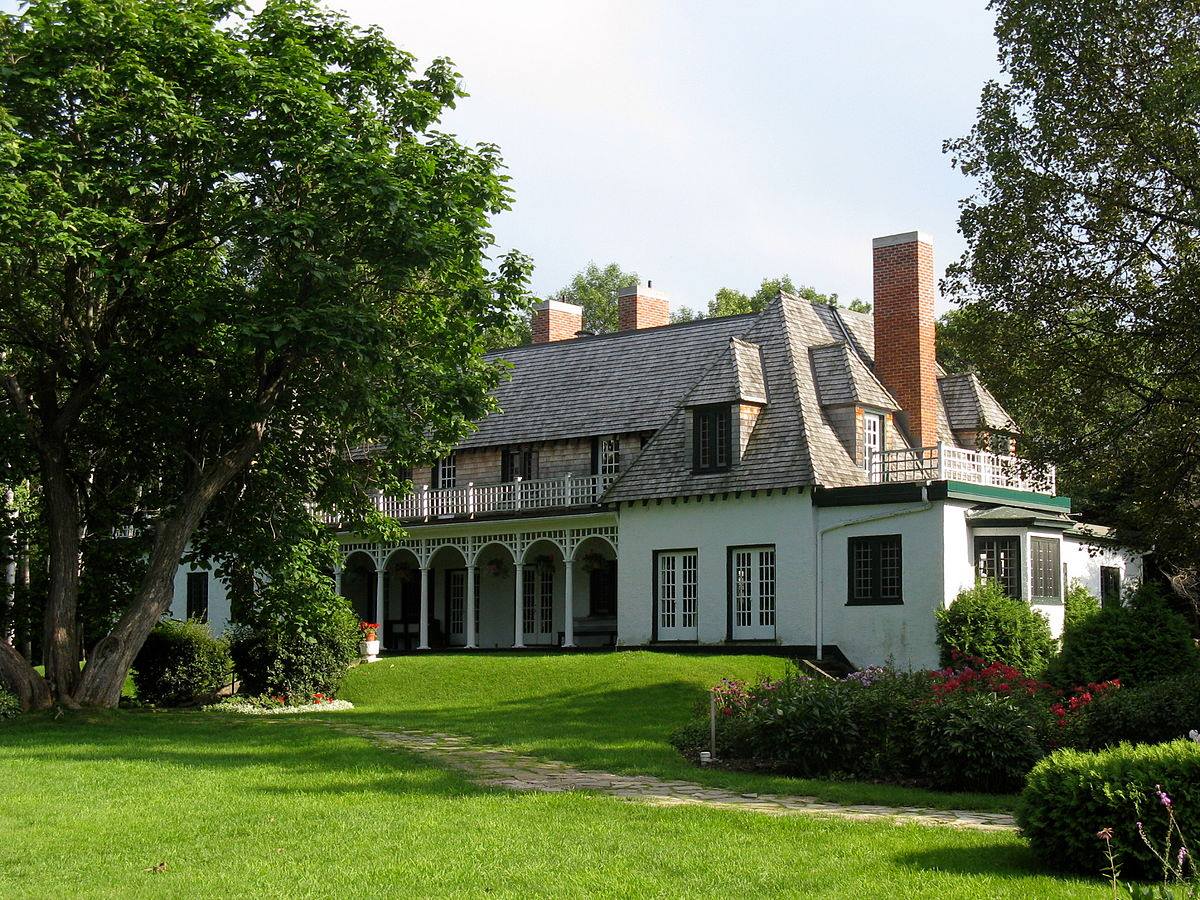
Photo credit: Leacock Museum National Historic Site
Moving inland to the vibrant freshwater lakes of Ontario, the Leacock Museum embodies a completely different, yet equally vital, Canadian summer tradition: escaping the hustle of the city for the peace of the cottage. This beautiful property built in 1928 on Old Brewery Bay was the beloved summer home and inspiration behind world-renowned Canadian humourist and author Stephen Butler Leacock’s novel Sunshine Sketches of a Little Town.
Stepping onto the lawns surrounded by towering trees, it’s easy to see where Leacock found his inspiration. In the summer, the lake sparkles just beyond the sunroom windows where he wrote his most famous satirical pieces. Visitors can explore the numerous exhibits connected to the Leacock family and enjoy a peaceful journey into the architecture of leisure, capturing the slow, creative days of a customary Canadian lakeside retreat.Visit their website to learn more.
The above historic sites are part of the Trust’s Passport Places program, a National Trust membership benefit that provides free access to over 110 historic places in Canada, as well as 1000+ National Trust places abroad. Become a member today!