




National Trust Celebrating 50 Years of the World Heritage Convention in Canada
This summer the National Trust for Canada is teaming up with World Heritage Sites across the country to celebrate the 50th anniversary of Canada’s signing on to the UNESCO World Heritage Convention.
The inscription of sites on the World Heritage List aims to protect some of the most outstanding places on earth, recognized as being important for the shared heritage of all humanity. Places like the Great Wall of China, the Galápagos Islands, Stonehenge, and Machu Picchu are among the 1,248 of these sites.
Canada currently has 22 sites inscribed on the World Heritage List, and several other potential sites on its Tentative List that may be nominated to the List in the future.
Signing on to the Convention was a watershed moment for Canada that has informed the protection of natural and cultural heritage in this country ever since. Together, this year, the National Trust and World Heritage Sites are celebrating what this Convention has meant to Canada over these 50 years — and what Canada has contributed to World Heritage on the global stage.
On July 23, 2026, the National Trust is hosting a kick-off celebration at the Bytown Museum, located at the Rideau Canal World Heritage Site in Ottawa, to commemorate the day when Canada signed on to this Convention in 1976. A series of other events will be taking place in the weeks to follow at World Heritage Sites across the country. More details about these events will be announced soon.
Raising awareness about the diversity and importance of World Heritage sites in Canada is an important part of this anniversary project. The National Trust will be creating a series of interactive and educational resources over the coming months to engage Canadians, particularly youth, in what World Heritage is all about. In late fall, a National Conversation summit event will be held at a World Heritage site to reflect on Canada’s Role in World Heritage, past, present, and future.
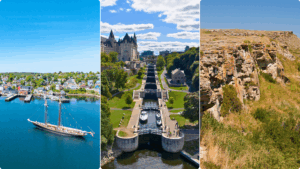
(Left) Old Town Lunenburg, Tourism Nova Scotia. (Middle) Rideau Canal, Parks Canada / Rideau Canal National Historic Site. (Right) Head-Smashed-In Buffalo Jump, Travel Alberta.
What do these celebrations mean for Canadians?
This 50th anniversary serves as a reminder of the importance of continuing to uphold the objectives set out by the Convention — to protect these incredible places for present and future generations in spite of diverse challenges, ranging from climate change to urban development to tourism, among many more. World Heritage Sites foster a sense of pride and shared attachment to places that have shaped who we are at home and on the international stage.
Canada’s involvement in the World Heritage Convention has played a central role in the development of conservation practices here at home. These practices continue to amplify the voices, values and knowledge of Indigenous peoples as traditional and current stewards of many of these places, which, in turn, have transformed the Convention itself.
The National Trust for Canada invites Canadians from coast to coast to coast to take part in this national celebration—by attending events at World Heritage Sites, learning about these incredible places and what it means to protect them, and joining the broader conversation about World Heritage. Keep an eye on our website for more ways you can get involved.
World Heritage Sites in Canada, by year of inscription on the World Heritage List
1978 – L’Anse aux Meadows National Historic Site (Newfoundland and Labrador)
1978 – Nahanni National Park (Northwest Territories)
1979 – Dinosaur Provincial Park (Alberta)
1981 – SGang Gwaay (British Columbia)
1981 – Head-Smashed-In Buffalo Jump (Alberta)
1983 – Wood Buffalo National Park (Alberta, Northwest Territories)
1984 – Canadian Rocky Mountain Parks (Alberta, British Columbia)
1985 – Historic District of Old Québec (Quebec)
1987 – Gros Morne National Park (Newfoundland and Labrador)
1992 – Kluane / Wrangell-St.Elias / Glacier Bay / Tatshenshini-Alsek (Yukon, British Columbia)
1995 – Waterton Glacier International Peace Park* (Alberta)
1995 – Old Town Lunenburg (Nova Scotia)
1999 – Miguasha National Park (Quebec)
2007 – Rideau Canal (Ontario)
2008 – Joggins Fossil Cliffs (Nova Scotia)
2012 – Landscape of Grand Pré (Nova Scotia)
2013 – Red Bay Basque Whaling Station (Newfoundland and Labrador)
2016 – Mistaken Point (Newfoundland and Labrador)
2018 – Pimachiowin Aki (Manitoba, Ontario)
2019 – Writing-on-Stone / Áísínai’pi (Alberta)
2023 – Tr’ondëk-Klondike (Yukon)
2023 – Anticosti (Quebec)
*Indicates transboundary sites shared with the United States of America
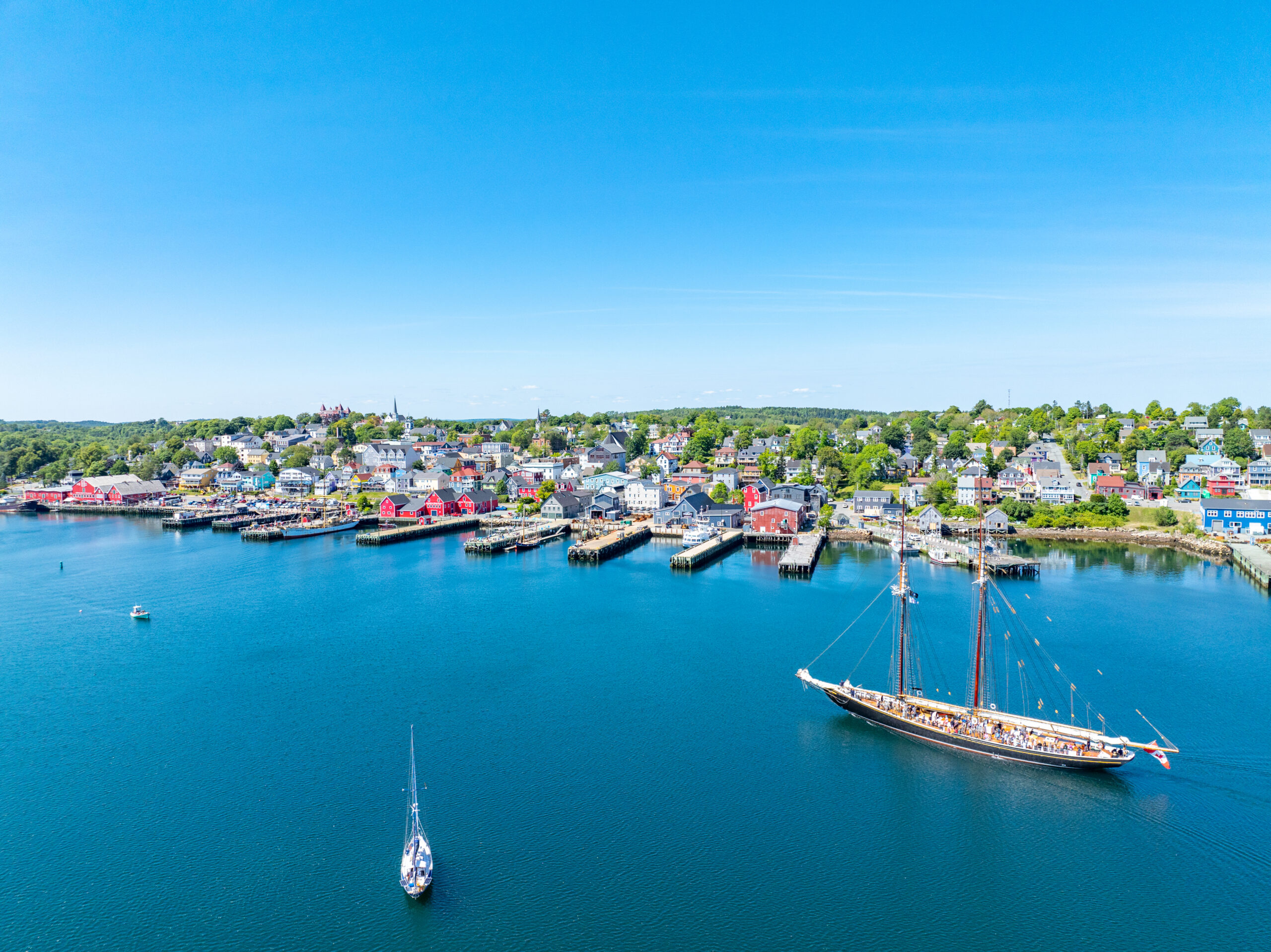
Photo Credit (Header): Old Town Lunenburg, Nova Scotia Tourism
This project is funded in part by the Government of Canada.