


Castles, Craft & Quite Cool Finds: Ottawa Couple’s Curated UK Heritage Journey with National Trust Membership
Ottawa’s Bryan Wiens was spiraling around towering English yew trees—meant to symbolize Jesus’ 12 Apostles—at the garden outside Packwood House, a 16th-century timber-framed Tudor manor, and a flurry of thoughts crossed his mind: “I’ve never seen anything like this before. What possessed a person to build this property? This is really cool.”
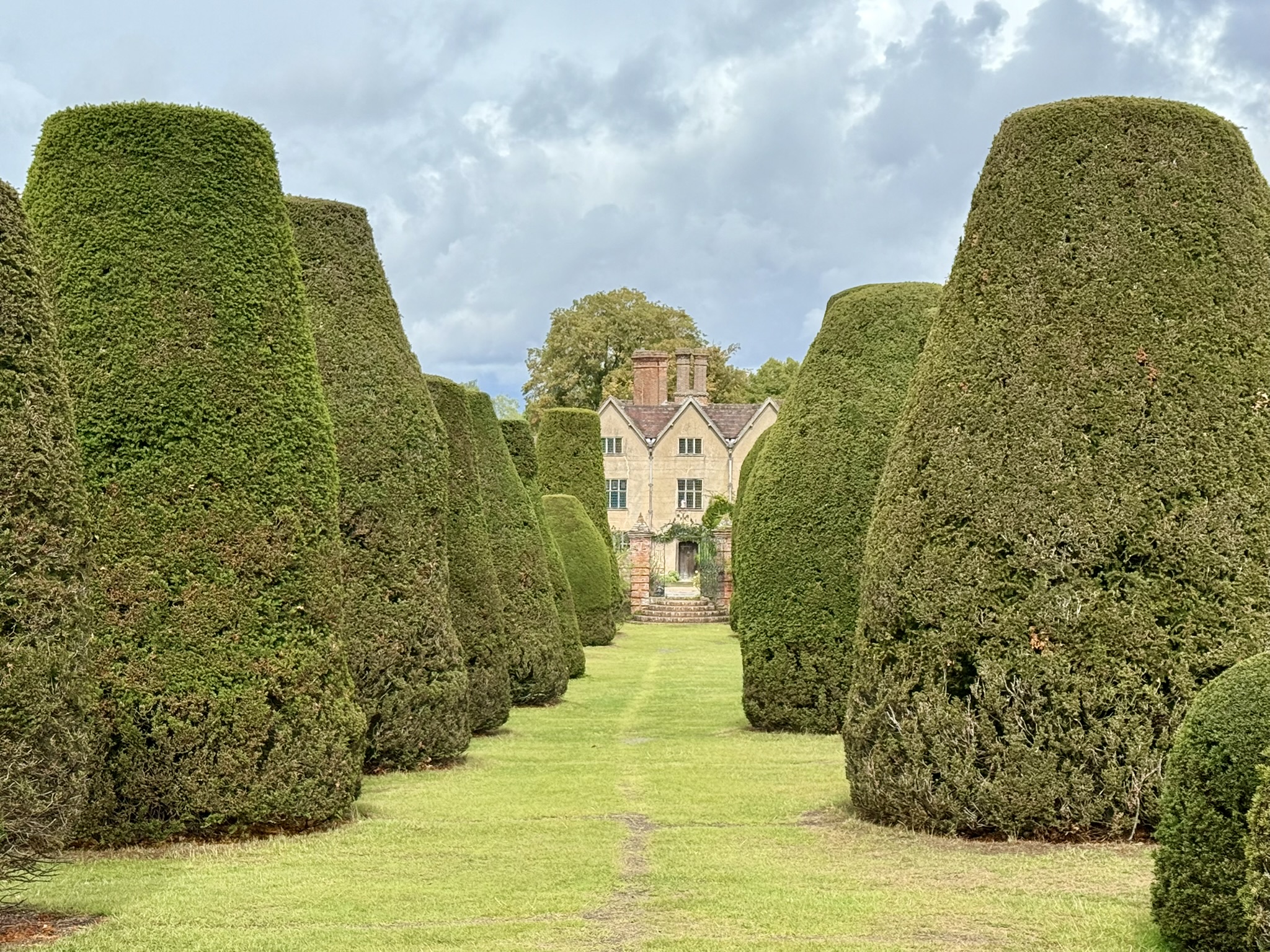
English yew trees outside Packwood House | Bryan Wiens
Wiens, an interior designer originally from Winnipeg, was on a trip to the UK in August with his wife, Carla Klassen, a Juno Award-winning pianist who, like Wiens, studied architecture before pivoting to music. “She’s a pretty well-rounded person with an adaptive interest in art, architecture and history,” Wiens says, adding that Klassen is the couple’s official trip planner.
They’d been to the UK before. The two are self-proclaimed “museum buffs” who love learning about the country’s historical connections with Canada. Only this time, they were National Trust for Canada members entitled to visit more than 1,000 heritage sites worldwide without paying entrance fees. “Well, we’re going to England, and they have all these reciprocal agreements – bloody amazing,” Wiens recalls thinking.
Klassen found a converted stone barn in the village of Pitchford in England’s West Midlands on Airbnb and used the INTO (International National Trusts Organisation) Places website to find heritage properties nearby. There were dozens of National Trust UK sites within a two-hour drive – old Tudor manors, moated castles and working-class homes, each more impressive than the last. “There were a number of ‘wow’ places,” said Wiens. “With the National Trust properties, there’s a real variety.”
On the first day out, the couple visited Baddesley Clinton, a 13th-century moated stone manor near Warwick. The manor had a facade of striking geometric patterns and interiors furnished well enough to make a medieval nobleman blush. But what caught Wiens’ eye were holes in the floor beside the manor’s elaborately carved chimney and privy (toilet). These were priest holes, a volunteer explained – used to shelter Catholic priests during the English Civil War of 1642–1651.
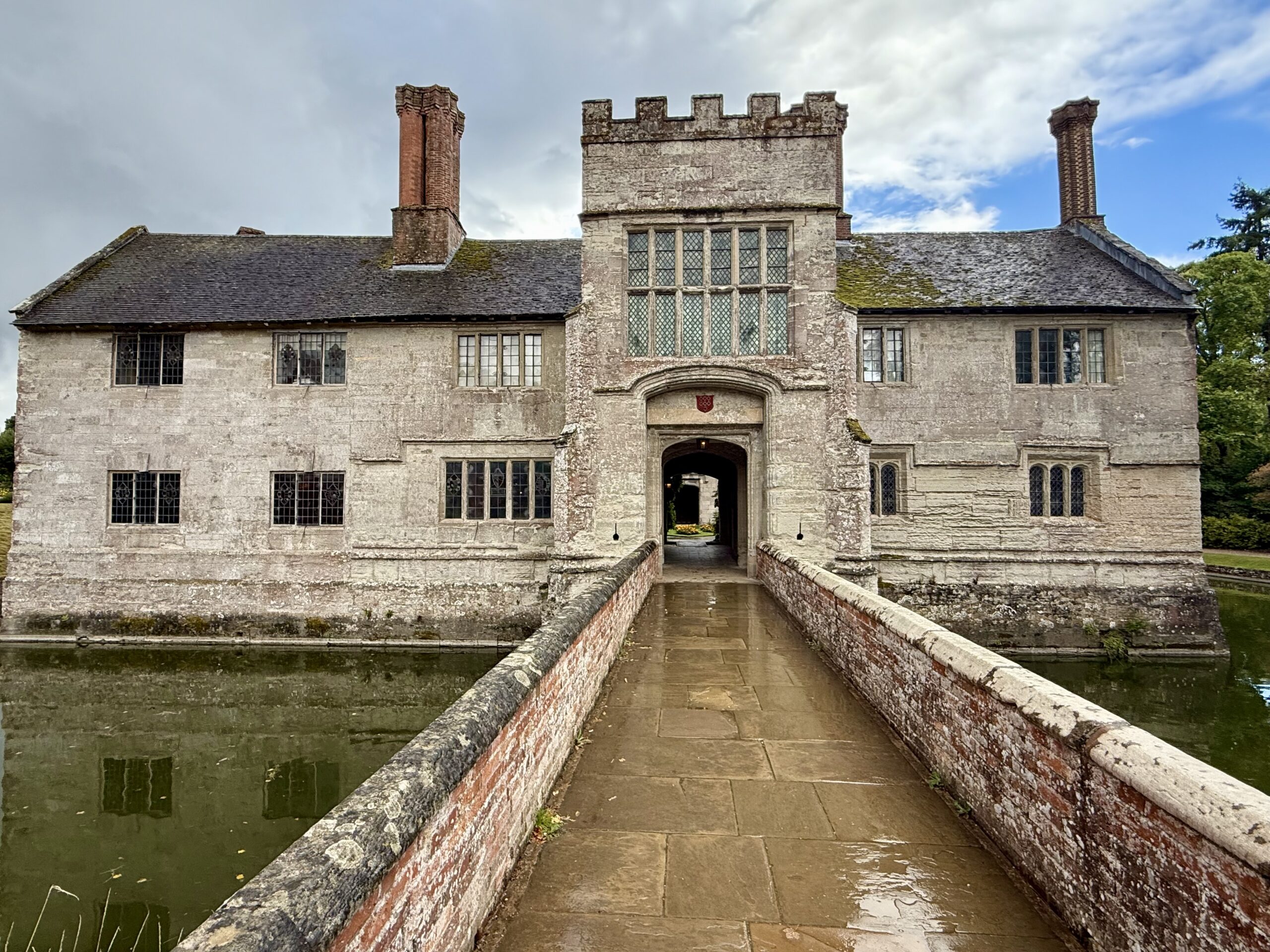
Surrounded by still waters: the 13th-century moated manor of Baddesley Clinton | Bryan Wiens
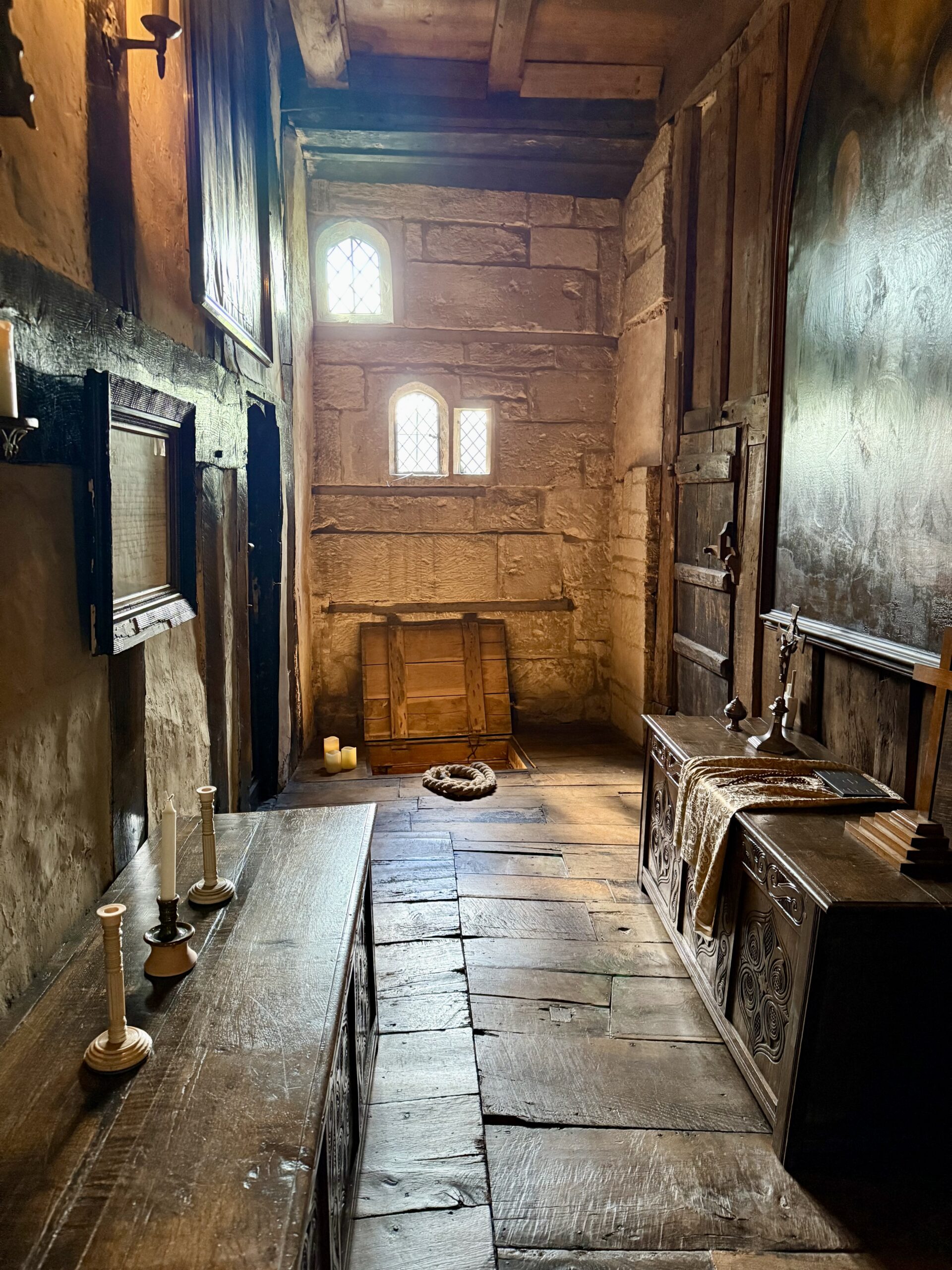
Hidden in plain sight: a priest hole at Baddesley Clinton, where history once meant survival | Bryan Wiens
Wiens, who prefers to explore on his own without a guide or audioguide, appreciated the volunteer’s knowledge and left with all he could ever want to know about the English Civil War – and more. “To have people that are passionate about the building and the history of that space adds a layer to the experience,” he said.
Later in the trip, the couple drove to Wightwick Manor and Gardens, a 19th-century Victorian manor near Wolverhampton. Filled with pre-Raphaelite paintings by Burne-Jones, stained glass by Charles Kempe and audacious wood carvings, it’s one of England’s finest expressions of the Arts and Crafts movement. “That particular house was mind-blowing,” said Wiens.
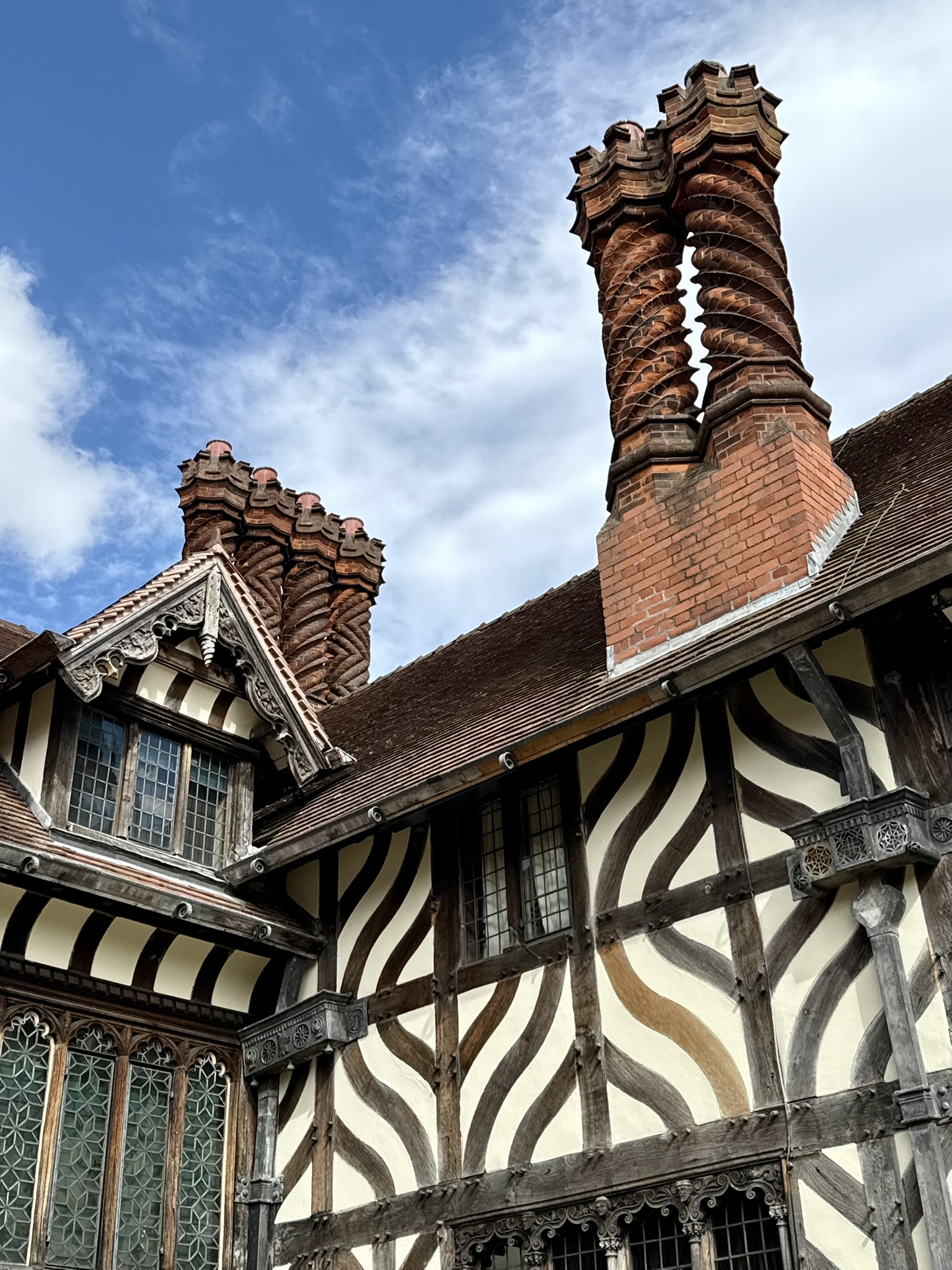
19th-century Victorian manor, Wightwick Manor and Gardens, near Wolverhampton | Bryan Wiens
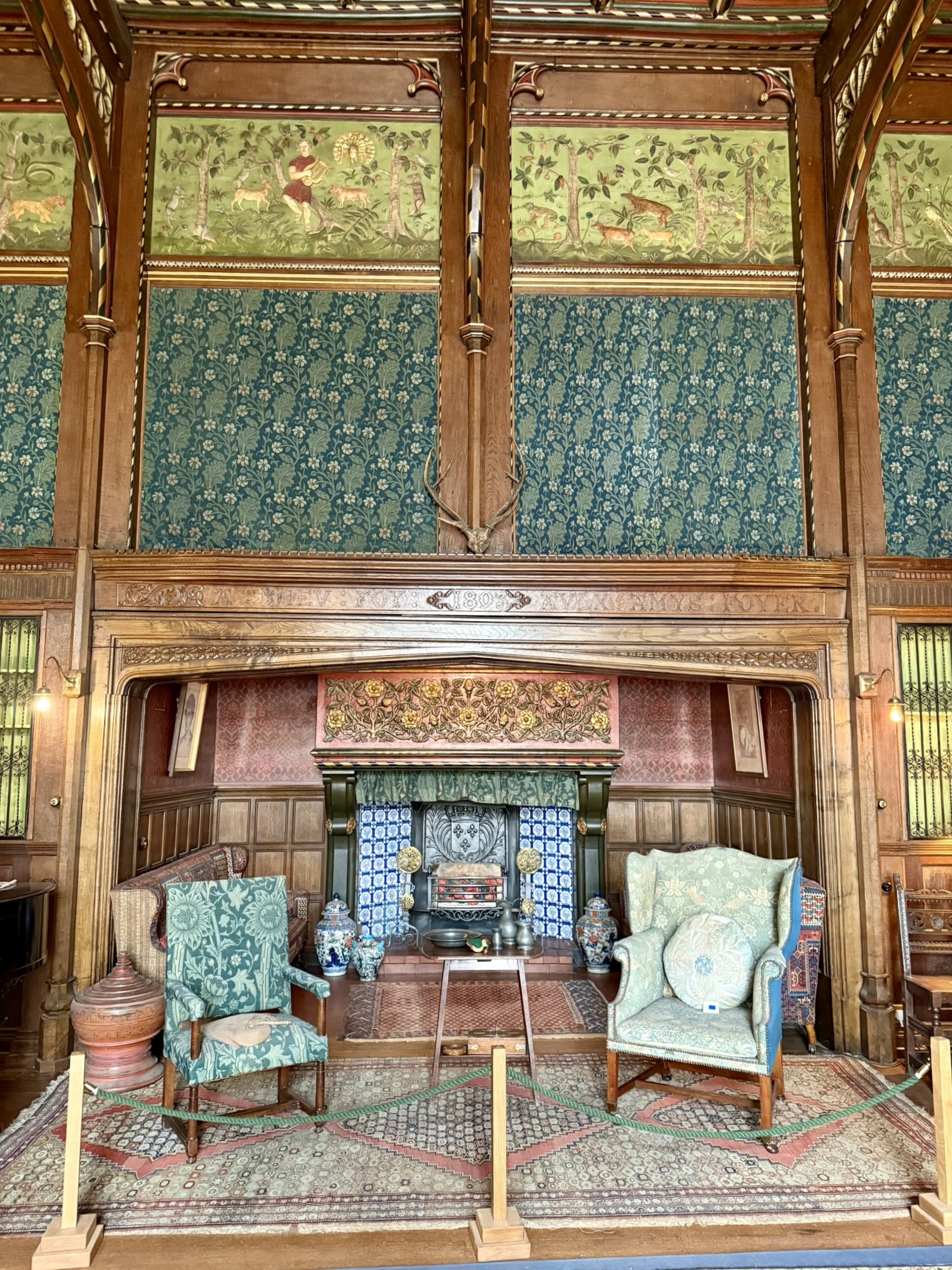
A masterpiece in every room: Wightwick Manor’s celebration of the Arts and Crafts movement | Bryan Wiens
They also drove through Wales’s lush landscape to see Penrhyn Castle, a 19th-century Neo-Norman fortress with stone carvings that sweep up walls and curl overhead in arched ceilings. “It was built on slave money in the sugar trade, as I recall, and so you have these mixed feelings about what you’re seeing,” said Wiens. “Nonetheless, the craftsmanship, the stonework, the level of detail is a little outrageous. It’s very impressive.”
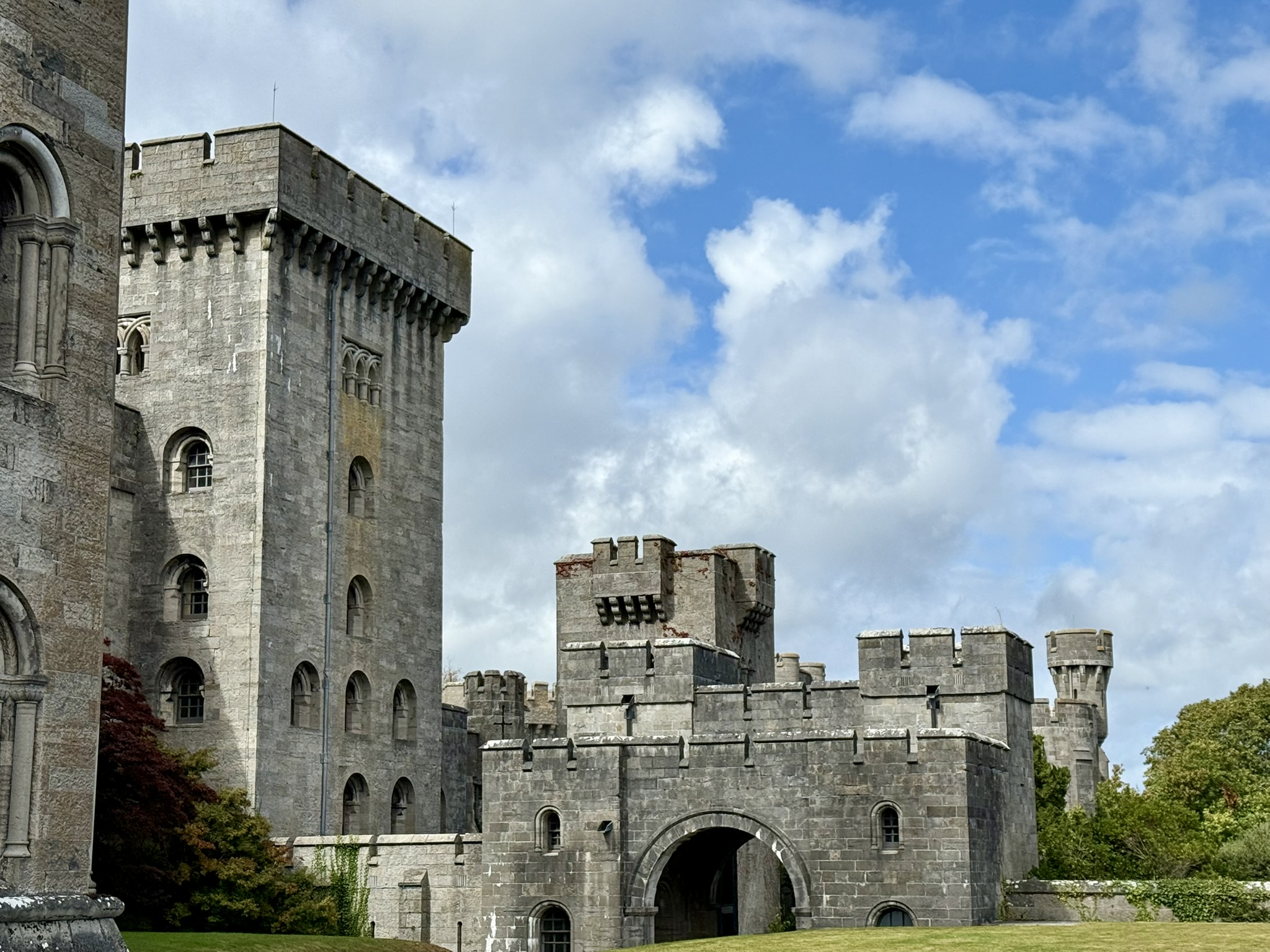
Towering and formidable: Penrhyn Castle rises like a Neo-Norman dream in stone | Bryan Wiens
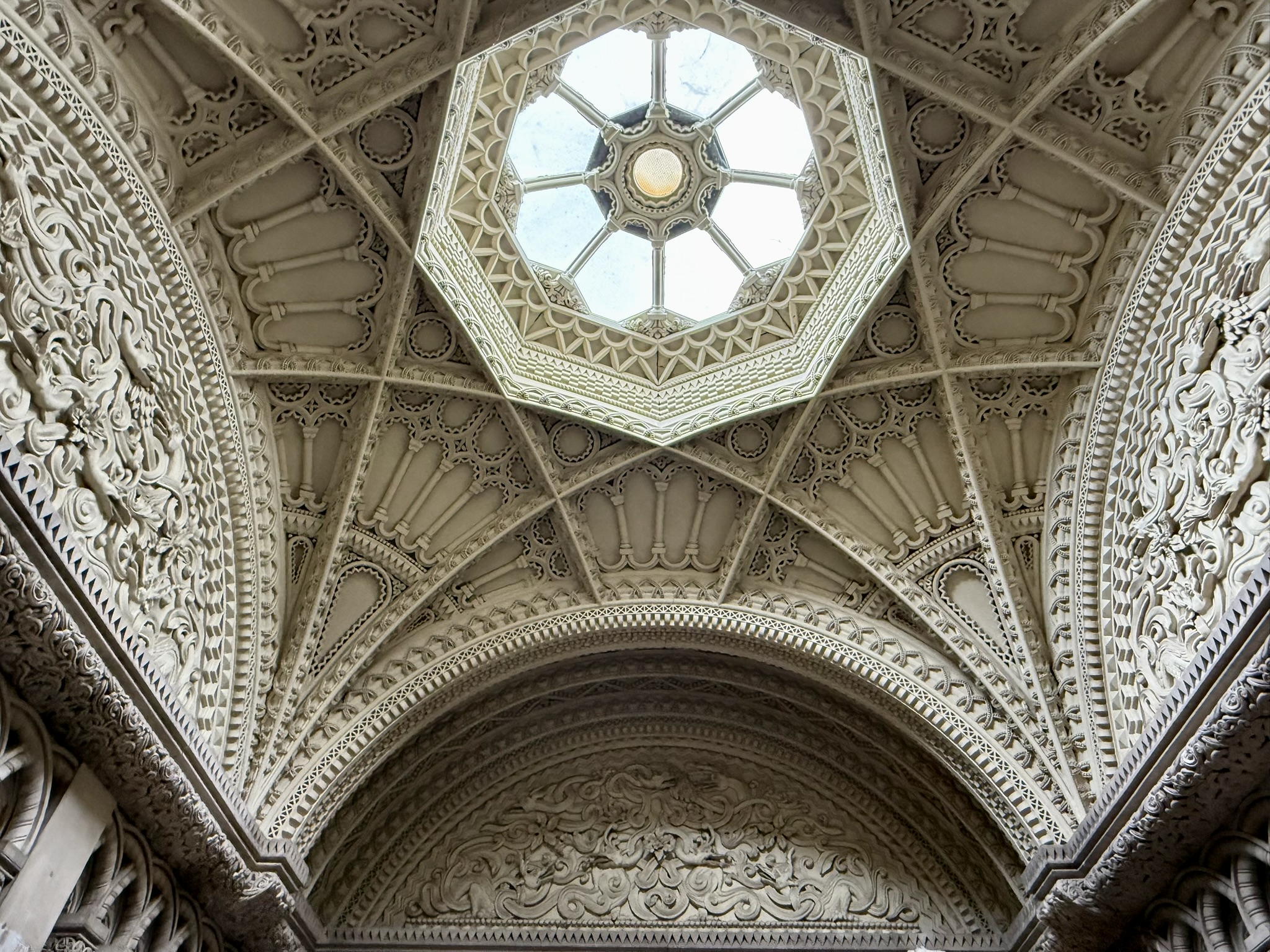
Craftsmanship on a monumental scale: the extraordinary carvings inside Penrhyn Castle | Bryan Wiens
In just over two weeks, the couple visited nearly 30 National Trust UK properties – all without paying for anything other than their meals at on-site cafes. “Between you and me, when we calculated the value of the entrance fees, we saved about $800 or $900,” said Wiens.
And they want to see more. The National Trust UK has over 500 properties, and the couple is already planning to see what more they can find beyond towering yews, chilling priest holes and mind-blowing architecture. “We talked about another year, picking another region of the UK that we haven’t spent much time in and doing the same thing,” he said. “Honestly, there is so much to see.”