


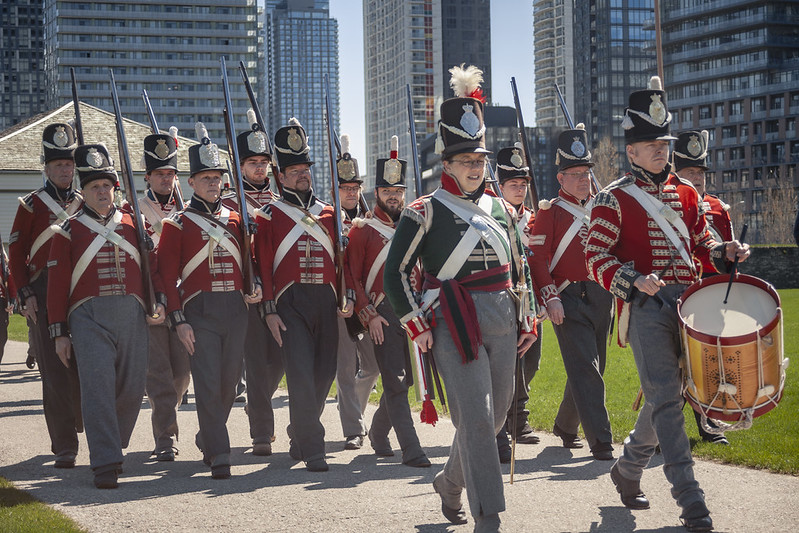


Echoes of Honour: Stories of Sacrifice and Service at Canada’s Passport Places
As the calendar shifts to November, a cool quiet air settles across the country, and our thoughts naturally turn to remembrance. November is a season for quiet reflection – a time to honour the brave individuals who stepped forward during times of conflict to defend freedom, protect communities, and shape the nation we know today. Canada’s history is woven with extraordinary stories of military service, home-front devotion, and resilience in the face of wartime hardship.
These Passport Places share their deep historical connection to military history, service, and sacrifice. They invite us to commemorate Remembrance Day by walking through the barracks, battlefields, and homes that preserve the human stories behind Canada’s military legacy.
Billy Bishop Museum | site
Owen Sound, Ontario
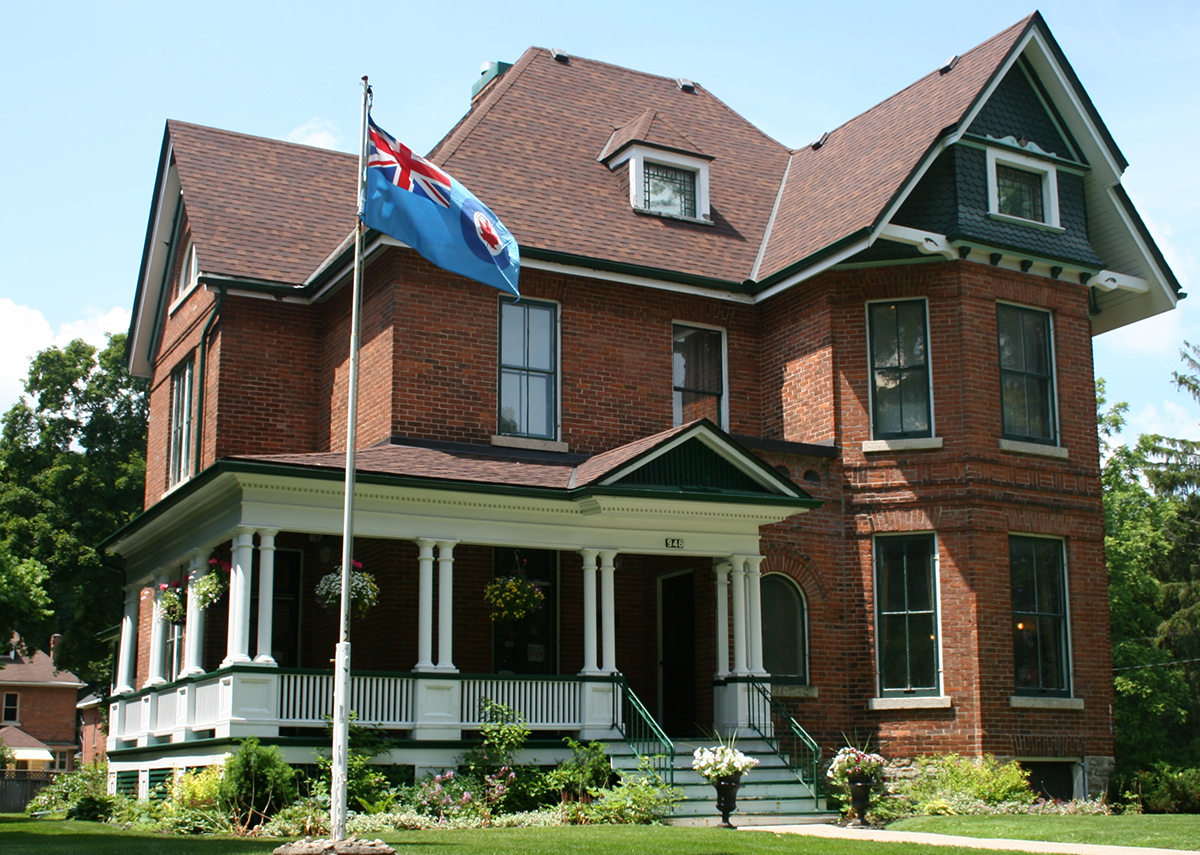
Located in a beautiful Victorian home in Owen Sound, this site is the birthplace of Air Marshal William Avery “Billy” Bishop – Canada’s top flying ace of the First World War and one of the country’s most celebrated military figures. Credited with 72 official victories, Bishop’s daring exploits in the skies above Europe earned him the Victoria Cross and captured the imagination of a nation.
Visiting in November offers a personal look at the human side of conflict. The museum doesn’t just honour Bishop’s extraordinary aerial achievements; it preserves the letters, uniforms, and artifacts of many local servicemen and servicewomen. Stepping into the rooms where a young Billy Bishop grew up reminds us that national heroes were first hometown youth who answered the call of duty.
Learn more on their site!
Fort York National Historic Site | site
Toronto, Ontario
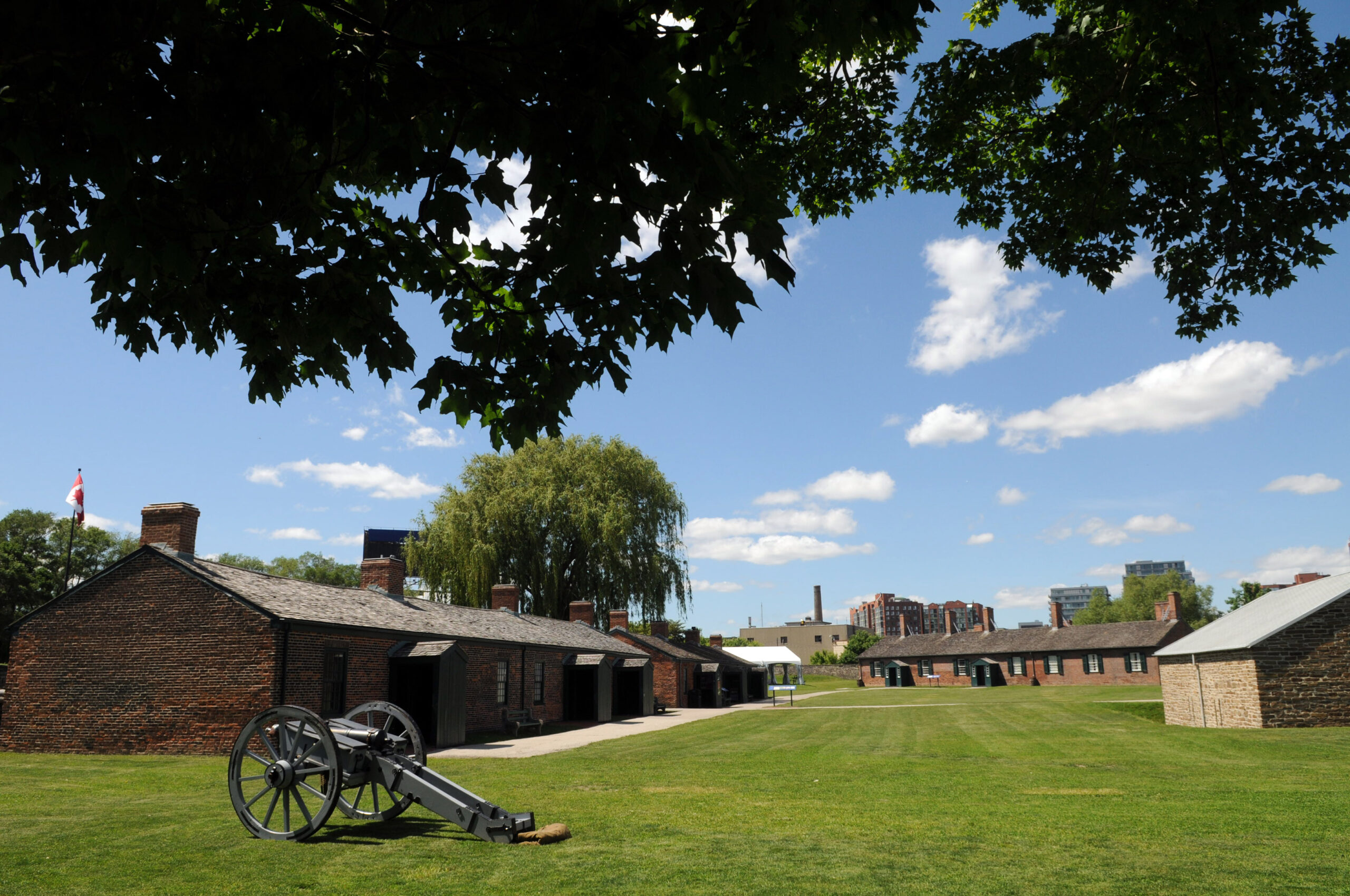
Spanning 43 acres in the heart of downtown Toronto, Fort York is known as the birthplace of the modern city and was the site of thousands of years of Indigenous gathering, travel, and trade.
Established in 1793, it saw one of the most significant military engagements on Canadian soil during the War of 1812, when American forces invaded and captured the fort in April 1813 during the bloody Battle of York. Fort York houses Canada’s largest collection of original War of 1812 buildings. In November, the stone ramparts and historic timber blockhouses take on a solemn, introspective atmosphere, particularly during the Fort’s annual Remembrance Day ceremony. Moving amongst the grounds and rare brick barracks buildings on a November afternoon invites you to reflect on the immense sacrifices made by the British and Canadian soldiers and First Nations allies who stood side-by-side to defend Upper Canada.
Learn more via their site!
Hamilton Military Museum | site
Hamilton, Ontario
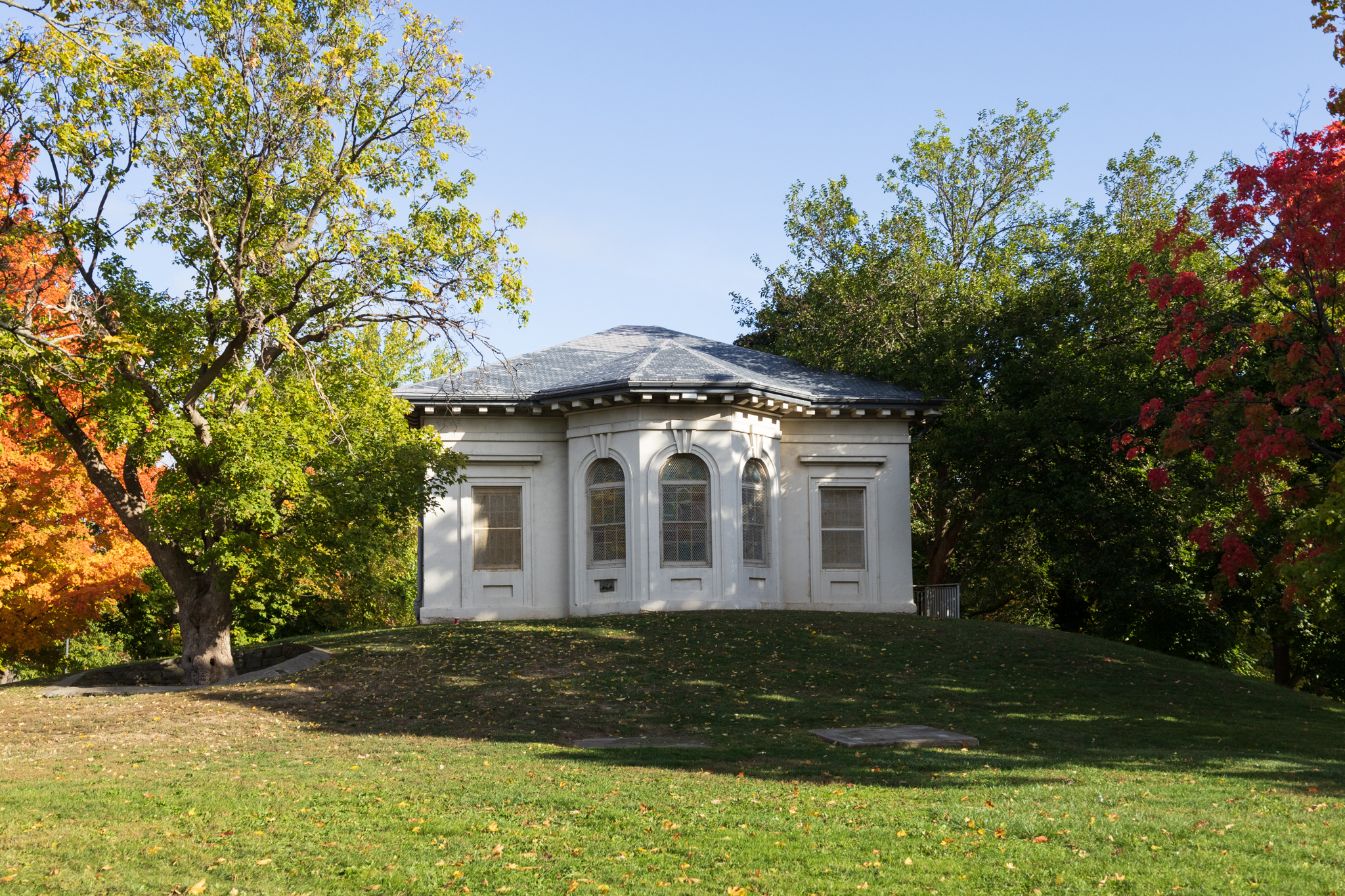
Situated on Burlington Heights inside the historic Battery Lodge, this specialized museum tells the stories of a crucial military outpost. During the War of 1812, Burlington Heights served as a vital supply depot and defensive stronghold for the British Army, playing a pivotal role in engagements like the nearby Battle of Stoney Creek in 1813.
The museum’s focus on 19th-century military history now reaches beyond 1812 with a new permanent exhibit, Lawyers and Land Pirates – Revolution at the Gates. It explores Hamilton’s role in the 1837 Upper Canada Rebellion, when Battery Lodge served as a guardhouse for Dundurn Castle. Visitors can explore the events that sparked the Rebellion and uncover the fates of those involved, step into MacNab’s recreated guardroom, try on period uniforms, enter a mock jail cell, and see an original Rebellion box crafted by a political prisoner in 1838. There’s even a Wheel of Justice to test your luck.
Exploring the lodge in November provides a vivid look at soldier life during early Canadian conflicts. Through interactive exhibits, original weapons, and personal gear, the museum highlights the grueling reality faced by soldiers stationed on the cold, exposed heights. It serves as a powerful reminder of how geographic high points became sanctuaries of strategy and sacrifice during times of war.
Visit their site to learn more.
François Baby House National Historic Site | site
Windsor, Ontario
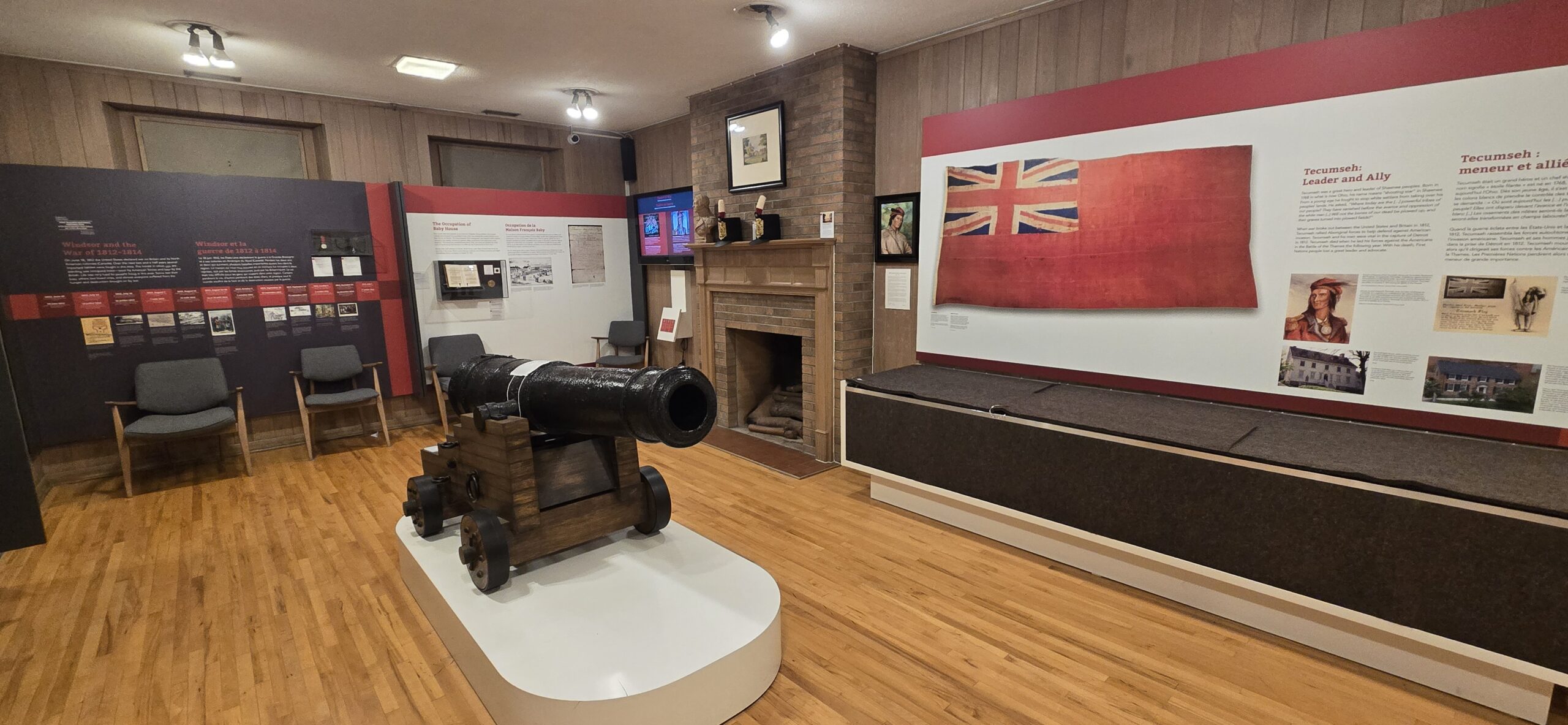
Perched near the banks of the Detroit River, the Maison François Baby House played a central role in the War of 1812. Owned by prominent politician François Baby, the home was commandeered as the headquarters for invading American General William Hull in July 1812, and was later used as an artillery battery by British forces during the bombardment of Fort Detroit.
Visiting this historic residence in November connects you directly to the borderland where the fate of North America hung in the balance. The building still bears the structural spirit of a site caught in the crossfire of international war. Inside, exhibits explore the military clashes along the Detroit border, honouring the civilian and military lives disrupted by borderland conflict.
Learn more here!
Sunshine Valley Tashme Museum | site
Hope, British Columbia
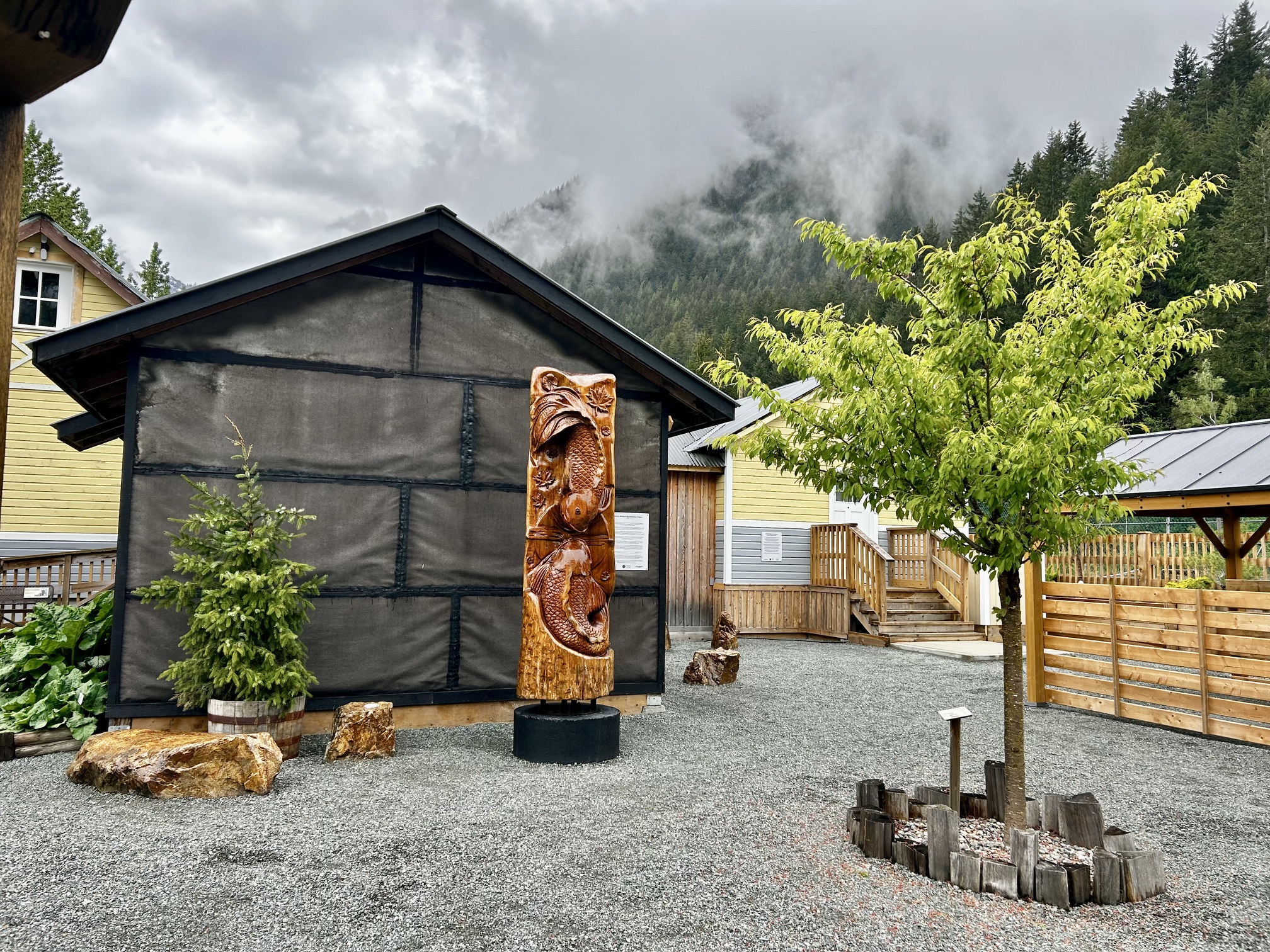
Hidden in the mountains of British Columbia, the Tashme Museum sits on the grounds of what was once Canada’s largest Japanese-Canadian internment camp during World War II. Between 1942 and 1946, over 2,600 men, women, and children of Japanese descent were forcibly relocated here, living in hastily constructed shacks amidst severe mountain winters.
In November, as snow begins to dust the mountain peaks, a visit to Tashme offers a profound and necessary opportunity for quiet reflection on the home-front sacrifices and injustices experienced during wartime. Housed in the original butcher shop, the museum preserves personal artifacts, recreated living quarters, and a serene memorial garden. It stands as a moving testament to resilience, dignity, and the importance of remembering all aspects of Canada’s wartime history.
Visit their site today!