


A Season of Renewal: Discovering the Stories Behind Nova Scotia’s Passport Places
Ever wondered what spring looks like from a different perspective? With the snow thawing out, the soft ground starts to give way to new beginnings and growth. Each of these historic settings from Nova Scotia represent the hardships and resilience of the communities that built them. Some, like Evergreen House with its rich folklore, or the Black Loyalist Heritage Centre whose administration building went up in flames, stand as well-known symbols of survival. Shelburne’s trio of historic places – a museum that holds the diverse history of the County, a working dory shop and a Loyalist-era store, capture the enduring spirit of this community. But the unifying thread between them is how their stories are deeply rooted in the rich Canadian soil that bloomed over the years into the Passport Places we know now.
Evergreen House
Courtesy of HistoricPlaces.ca
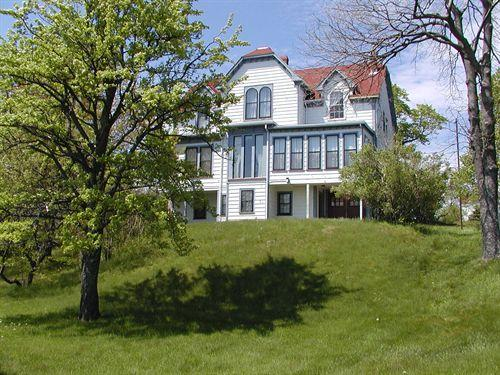
Located in Dartmouth, Nova Scotia, Evergreen House was built from a tragic heart-aching story of struggle during a time of diseases and epidemics. Affected by the 1858 diphtheria epidemic, the James family’s remaining survivors moved away to a better place where they could begin anew, processing their thawing grief, laying new roots, and beginning the rich history of the Evergreen House.
In 1928, the home took on a new legacy. Dr. Helen Creighton lived here and collected thousands of songs, stories, traditional beliefs, and folklore. This also included some games, dances and folk crafts. Today, her work lives on in the Nova Scotia Archives, the Smithsonian in the US and the Canadian Museum of History.
Step inside the place where Dr. Creighton saved thousands of Maritime folk songs from fading away, and listen, as she did, for the stories worth saving.
Continuing this tradition of storytelling, Evergreen House remains a vibrant part of the Dartmouth community. Since March, two new permanent exhibits have opened: the D(art)mouth Museum Gallery and an exhibition on Joseph Howe. Learn more about these new exhibits here.
Black Loyalist Heritage Centre
Courtesy of BlackLoyalist
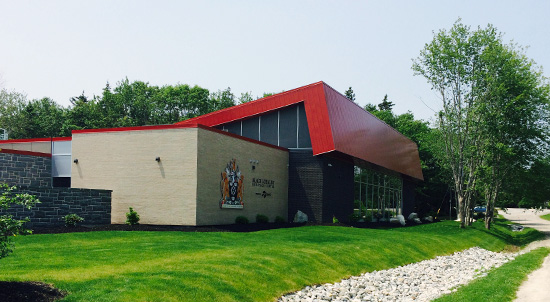
Birchtown was founded in 1783 as the largest free black settlement in British North America. It was positioned in the centre of the Black Loyalist experience in Canada and became a turning point in the history of people of African descent in the country. On March 31 2006, just as spring rolled around, the administration building was deliberately set on fire, destroying 18 years of research. Despite that, built on the ashes of the previous building, it reemerged—as strong and as resilient as the greenery that returns each spring, showing that destruction can’t hold permanence against a determined community. Stand on the ground where North America’s largest free Black settlement took root, and witness how a community burned grew back stronger.
Shelburne Country Museum
Courtesy of Shelburne Museums
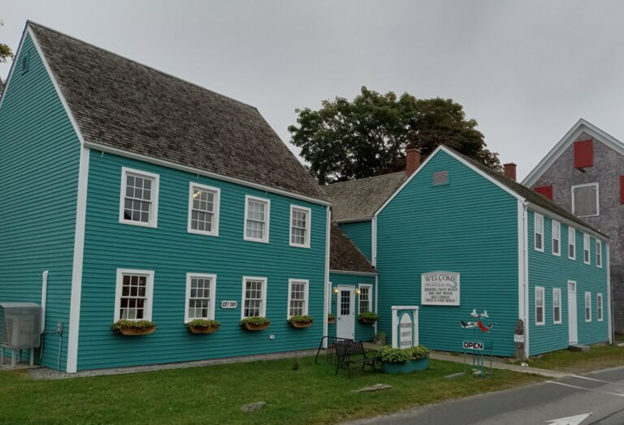
This museum’s archives hold original land grants and transfer documents dating back to the arrival of the Loyalists in Shelburne and Birchtown. Housed in a building from the Loyalist era, the museum connects visitors to the Town’s 10,000 original settlers who arrived in the spring of 1783.
The Dory Shop Museum
Courtesy of Shelburne Museums
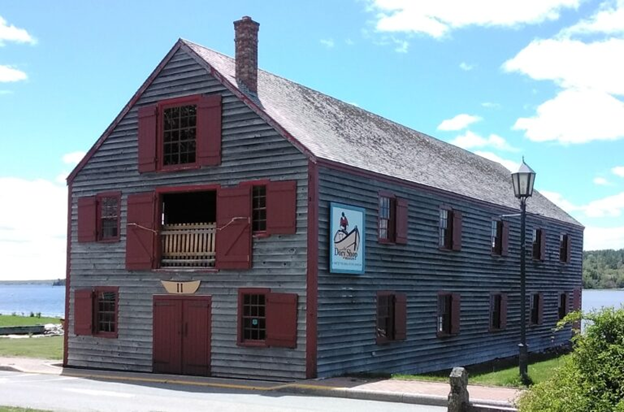
This museum remains a working dory shop where visitors can witness a boat building tradition started in 1880. Shelburne dories, known as the workhorses of the inshore and offshore fisheries, contributed to the Town’s world reputation as a centre of excellence for boat building.
When spring comes, it’s the perfect season for fishing. Hard at work, the dory remains operational today. Come visit to watch the craft that has kept Shelburne afloat long after the end of the Loyalist boom.
Ross Thompson House
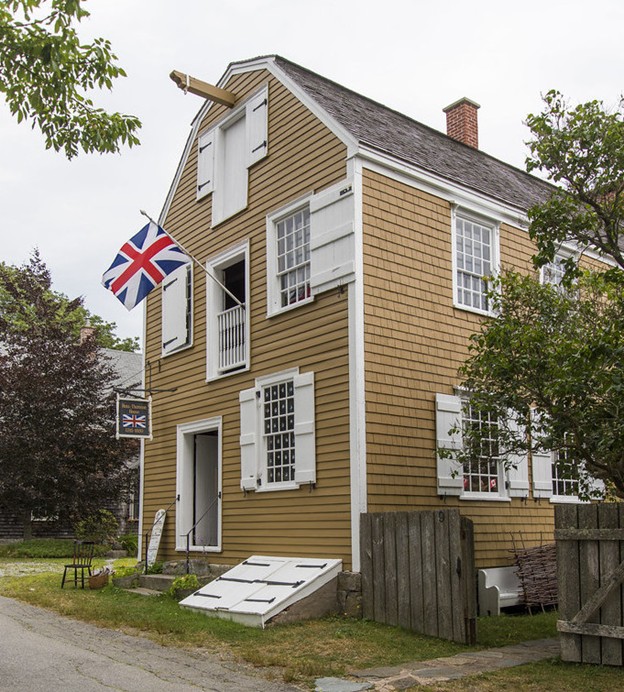
Courtesy of Shelburne Museums
As a business in loyalist Shelburne trading in goods made by enslaved labourers, this museum is well positioned to address topics related to the reality of slavery as a practice in Nova Scotia generally and Shelburne specifically as an epicentre of enslavement in the Maritimes.
Whether you visit one or many of these places, spring becomes more than a season—it becomes a reminder of what has taken root here. From the stories of loss and renewal at Evergreen House to the resilience of Birchtown, and the histories preserved across Shelburne, each site reflects the communities that shaped them. These Passport Places are not just about the past, but about how it continues to live on. This spring, step into these spaces and see how their stories, like the land itself, continue to grow.
https://www.historicplaces.ca/en/rep-reg/place-lieu.aspx?id=3075
https://www.pc.gc.ca/apps/dfhd/page_nhs_eng.aspx?id=15332&i=76646
https://www.helencreighton.org/personal-stories-about-helen/
https://blackloyalist.novascotia.ca/about
https://novascotia.com/listing/black-loyalist-heritage-centre/
https://blackloyalist.com/the-society/
https://www.communitystories.ca/v1/pm_v2.php?id=story_line&lg=English&fl=0&ex=00000594&sl=4765&pos=1
https://woodenboat.com/issue/273/milford-buchanan-and-shelburne-dory
https://novascotia.com/de/listing/shelburnes-museums-by-the-sea/#wrapper
https://www.shelburnemuseums.com/post/closure-of-ross-thomson-house-store-museum